Product description
Twist Guide Assembly: Controlled Rotation in Linear Motion
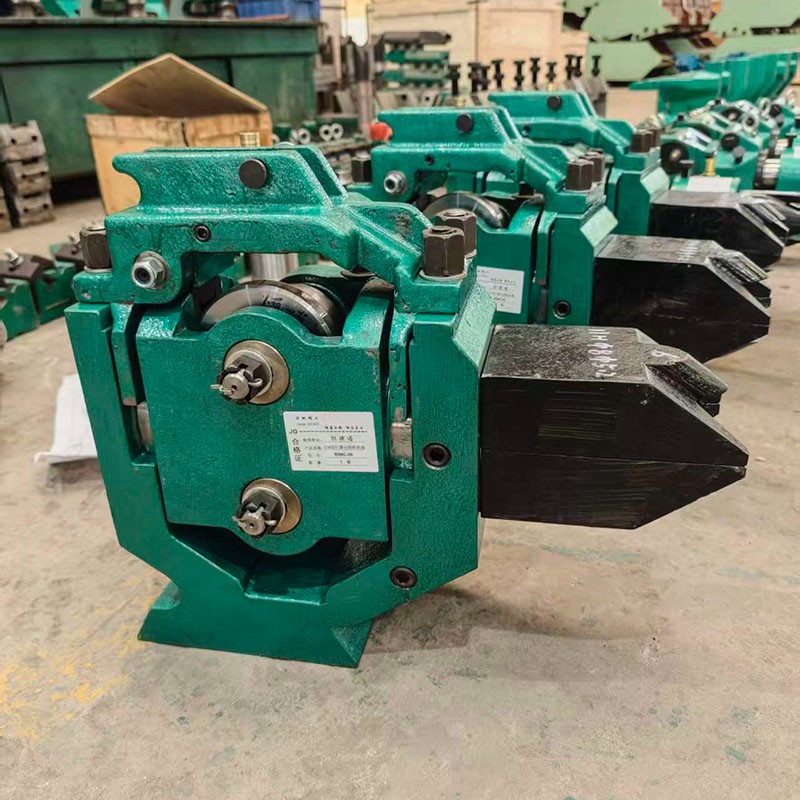
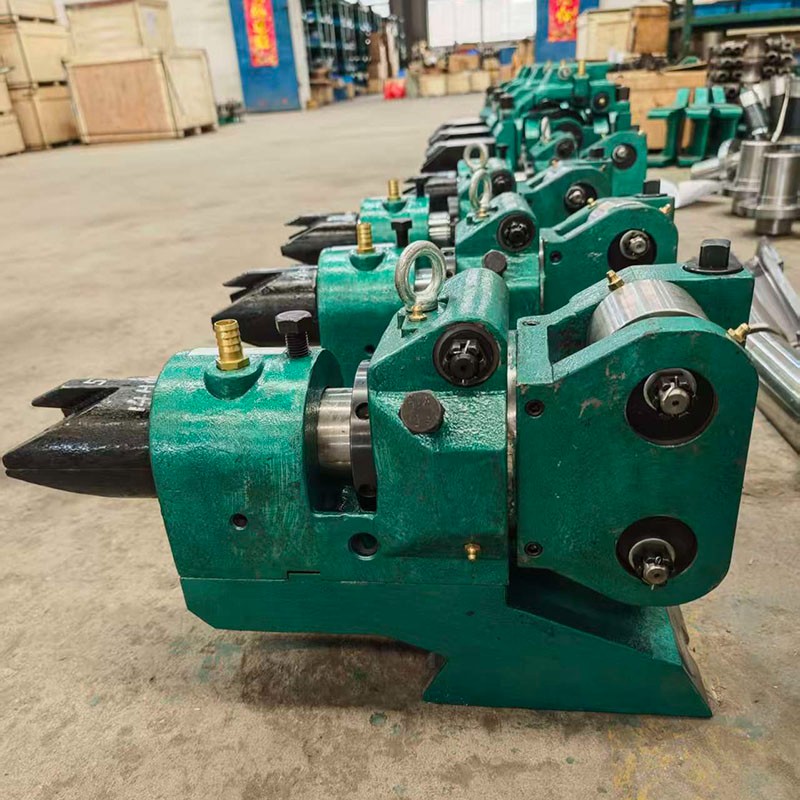
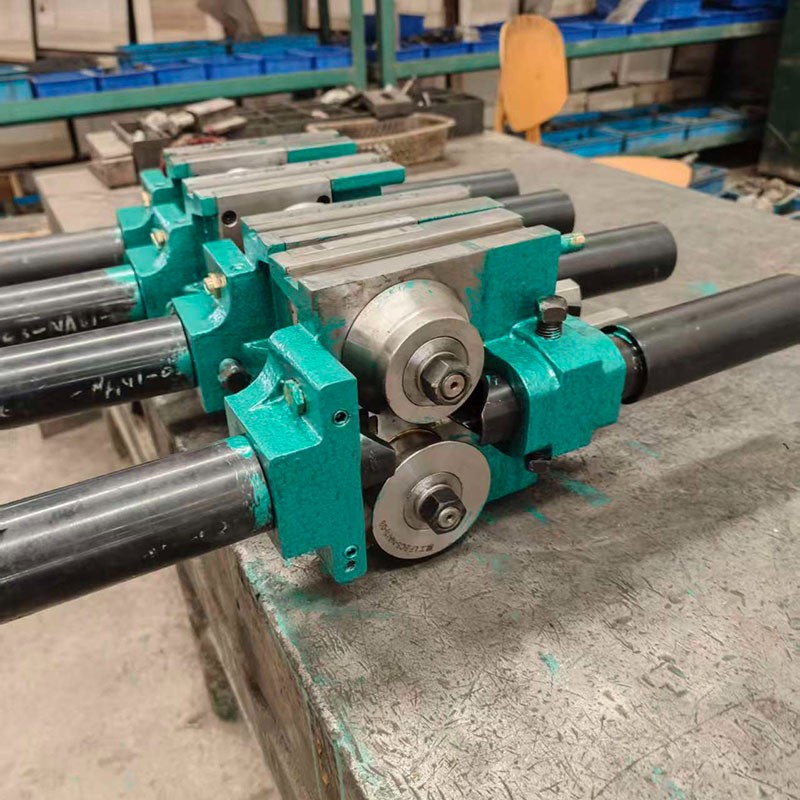
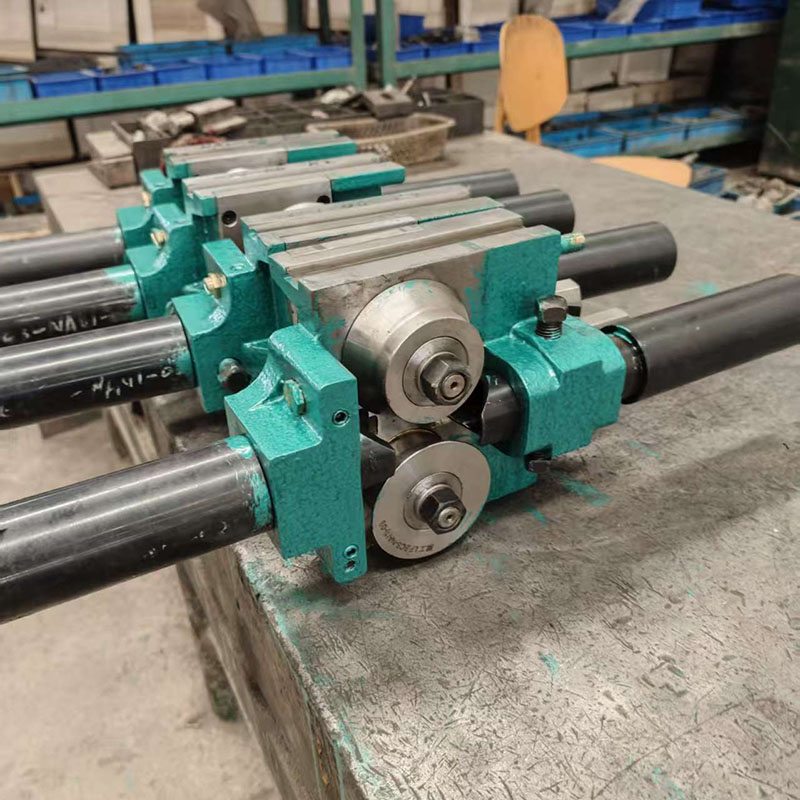
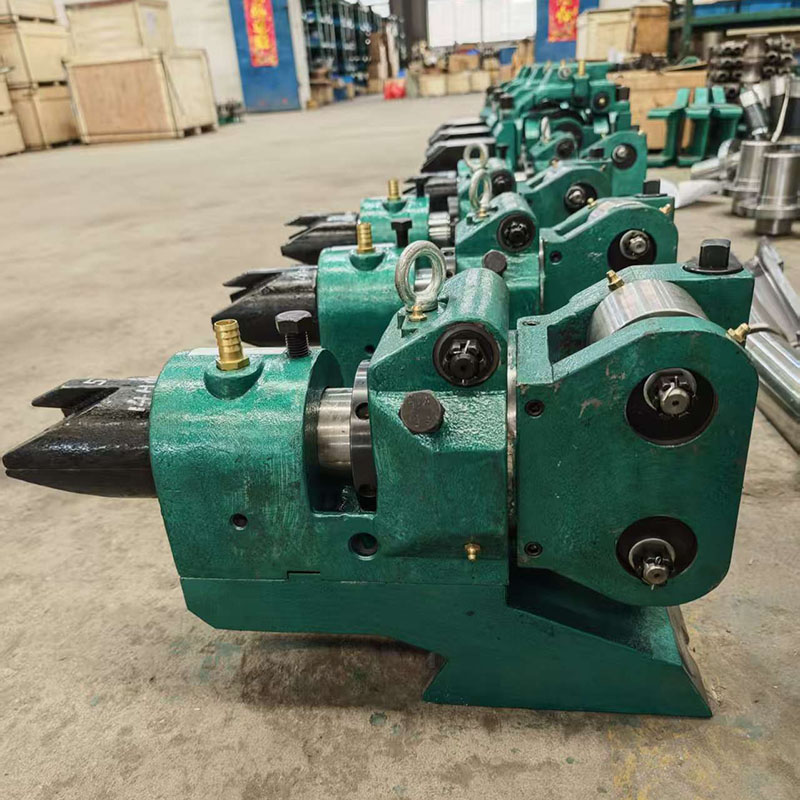
A twist guide assembly is a specialized mechanical component designed to convert or guide linear motion while simultaneously allowing or inducing controlled rotational movement. Unlike standard linear guides that strictly constrain motion to a single axis, twist guide assemblies incorporate features—such as helical grooves, cam tracks, or articulated linkages—that enable the guided component to rotate about its longitudinal axis as it translates along its path.
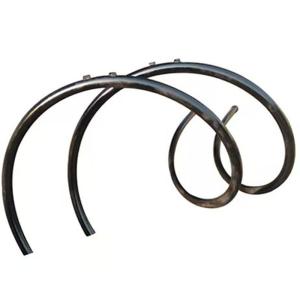
The working principle of a twist guide assembly depends on its specific configuration. In the most common design, a carriage or sliding member travels along a guide rail that features a helical or spiral track. As the carriage moves forward, a pin or follower engaged in the helical groove causes the carriage or an internal shaft to rotate proportionally to its linear displacement. The pitch of the helix determines the relationship between travel distance and rotation angle—a steeper pitch produces more rotation per unit of travel, while a shallower pitch yields finer angular control.
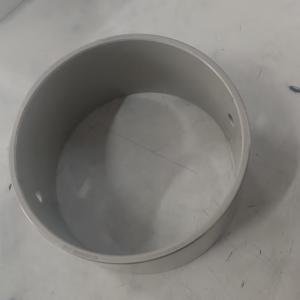
Alternative designs include cam-guided twist assemblies, where a slotted cylindrical guide sleeve forces a shaft to follow a predetermined rotational path, and articulated twist assemblies that use interconnected linkages to achieve complex motion profiles. Some assemblies feature adjustable twist rates or interchangeable guide sleeves, allowing operators to modify the rotation ratio without redesigning the entire system.
Twist guide assemblies are critical in numerous applications. In textile machinery, they guide yarns and fibers through twisting and winding processes. In packaging equipment, they rotate containers or labels during filling and sealing operations. In pick-and-place automation, they orient components precisely during transfer. In medical devices, they guide catheters and endoscopic instruments with controlled tip rotation. In weapon systems, they impart spin to projectiles via rifling guides.
Key advantages include compact integration of linear and rotary motion, precise synchronization between translation and rotation, elimination of separate actuation mechanisms, and reliable operation in harsh environments. Limitations include potential wear on helical tracks, restricted speed due to sliding friction, and complex manufacturing requirements. Despite these challenges, the twist guide assembly offers an elegant solution where motion must be both straight and turning—proving that in mechanical design, the straightest path isn't always the simplest.
PREVIOUS:Water Quenching System
NEXT:Roller guide assembly