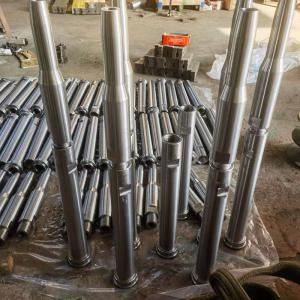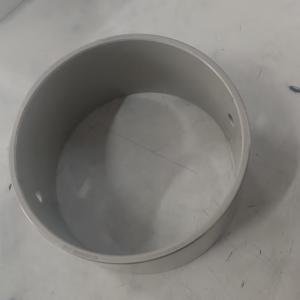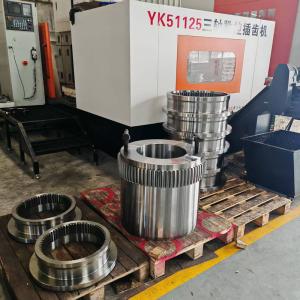
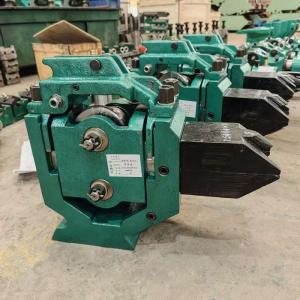
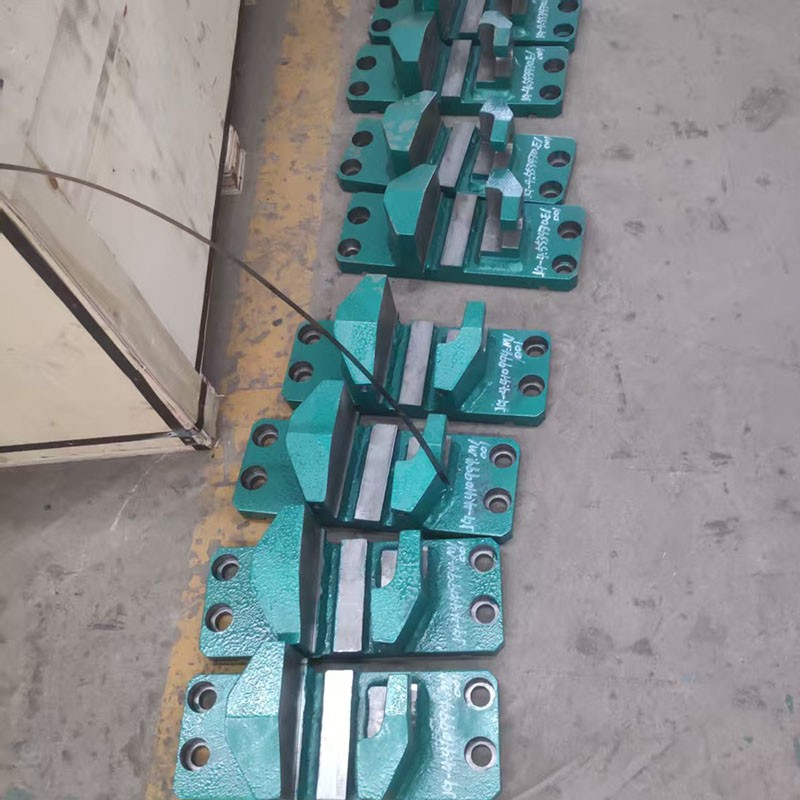
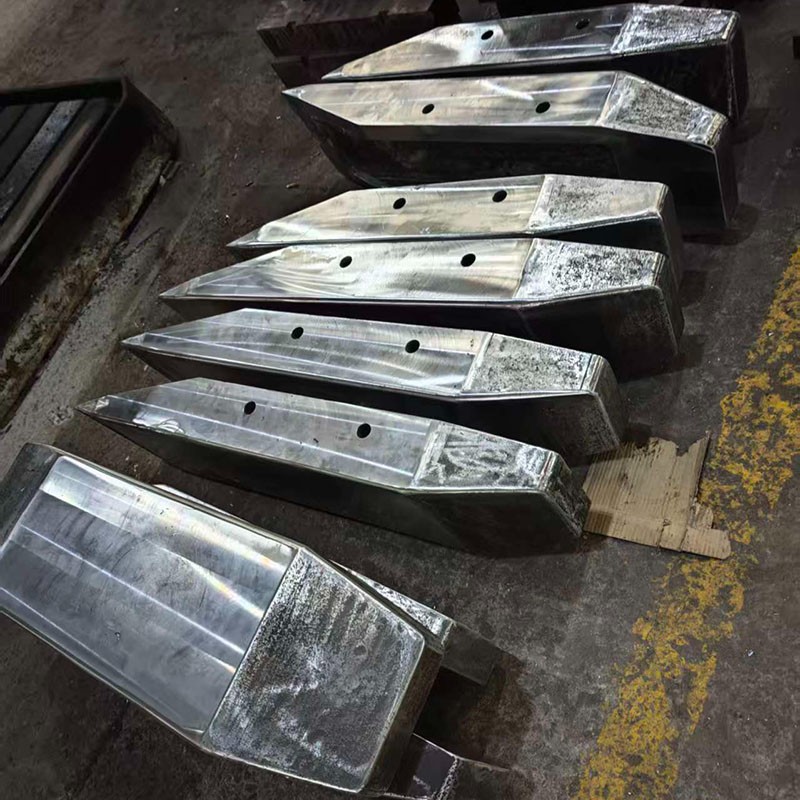
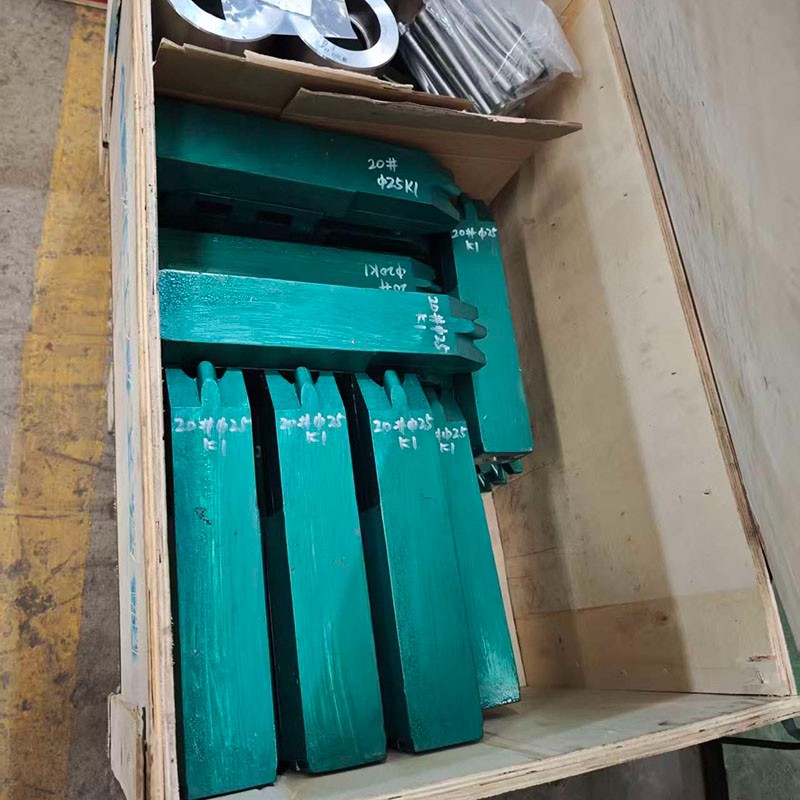
Guide plate
- CategoryGuide system
- DescriptionA guide plate, also known as a guide rail plate, wear plate, or slide plate, is a mechanical component designed to provide accurate linear guidance, alignment, or support for moving parts in machinery
Product description
Guide Plate: Precision Guidance in Motion Control
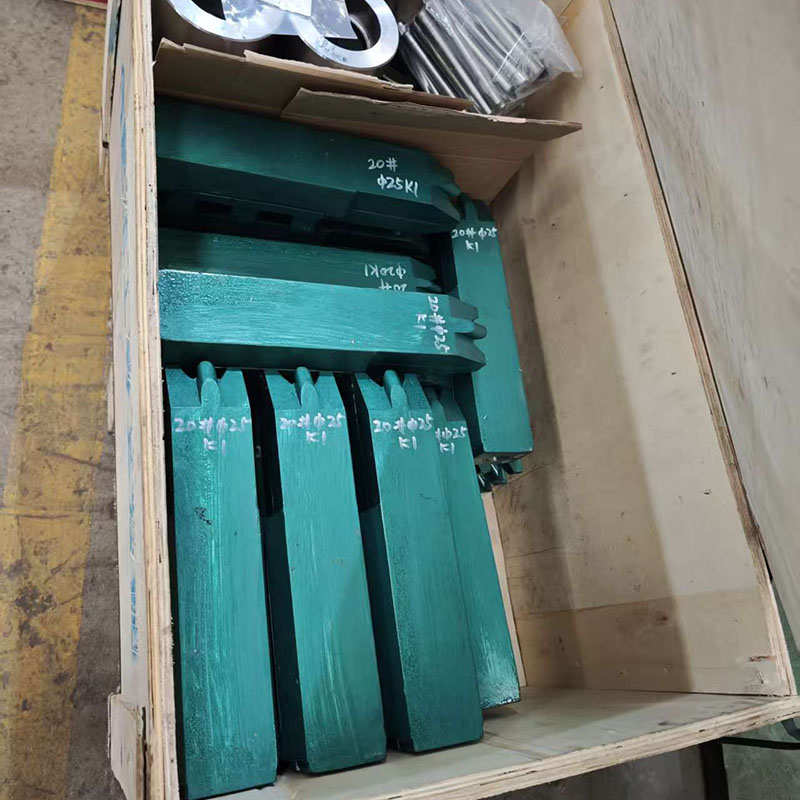
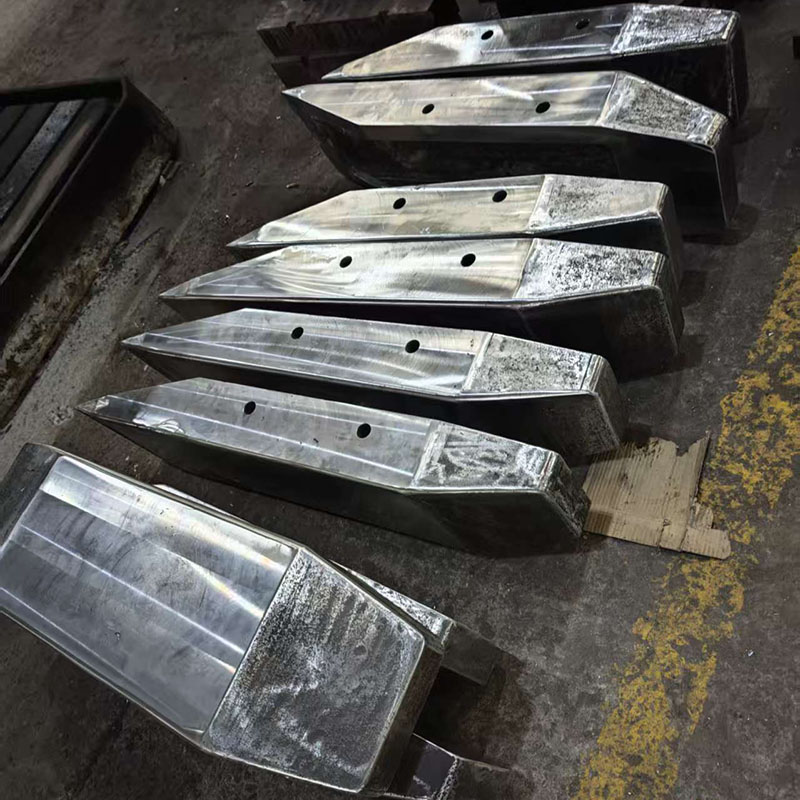
A guide plate, also known as a guide rail plate, wear plate, or slide plate, is a mechanical component designed to provide accurate linear guidance, alignment, or support for moving parts in machinery. It serves as a fixed or adjustable reference surface that constrains motion along a desired path, ensuring that components move with precision, stability, and minimal deviation.
The fundamental principle of a guide plate lies in its ability to create a controlled sliding interface. Typically made from wear-resistant materials such as hardened steel, bronze, or engineered polymers, the guide plate offers a smooth, low-friction surface that interacts with complementary sliding elements—such as guide blocks, gibs, or carriage ways. By maintaining precise clearances and geometric relationships, guide plates prevent unwanted lateral movement, wobble, or vibration while allowing smooth linear or curvilinear translation. Many designs incorporate lubrication channels or grooves to ensure continuous oil or grease film formation, reducing friction and extending service life.
Guide plates are available in various configurations to suit diverse applications. Flat guide plates are used for simple linear slides in machine tools. Angled or V-shaped plates provide combined guiding and centering functions. Tapered adjustable plates allow for fine clearance tuning to compensate for wear over time. Some specialized guide plates feature hardened inserts, polymer coatings, or embedded rolling elements for enhanced performance in demanding environments.
These components are ubiquitous in industrial machinery. In lathes and milling machines, guide plates support and direct the movement of carriages and cross-slides. In press tools and stamping dies, they ensure accurate alignment of moving punch assemblies. In automated packaging equipment, they guide conveyor belts and product transport systems. In elevators, guide plates maintain the vertical alignment of counterweight and car rails.
Key advantages include simplicity, low cost, ease of replacement, and the ability to withstand heavy loads and shock impacts. Limitations include susceptibility to wear, the need for regular lubrication, and friction-related heat generation at high speeds. Nevertheless, the humble guide plate remains an indispensable component in precision engineering—silently ensuring that motion stays precisely on track, stroke after stroke.
PREVIOUS:Roller guide assembly
NEXT:Gear Shaft