Gear Shaft
- CategoryGear shaft
- DescriptionA gear shaft, also known as a geared shaft or integral gear shaft, is a mechanical component that combines the functions of a shaft and a gear into a single, unified part. Unlike traditional assemblie
Product description
**Gear Shaft: Integrated Power Transmission**
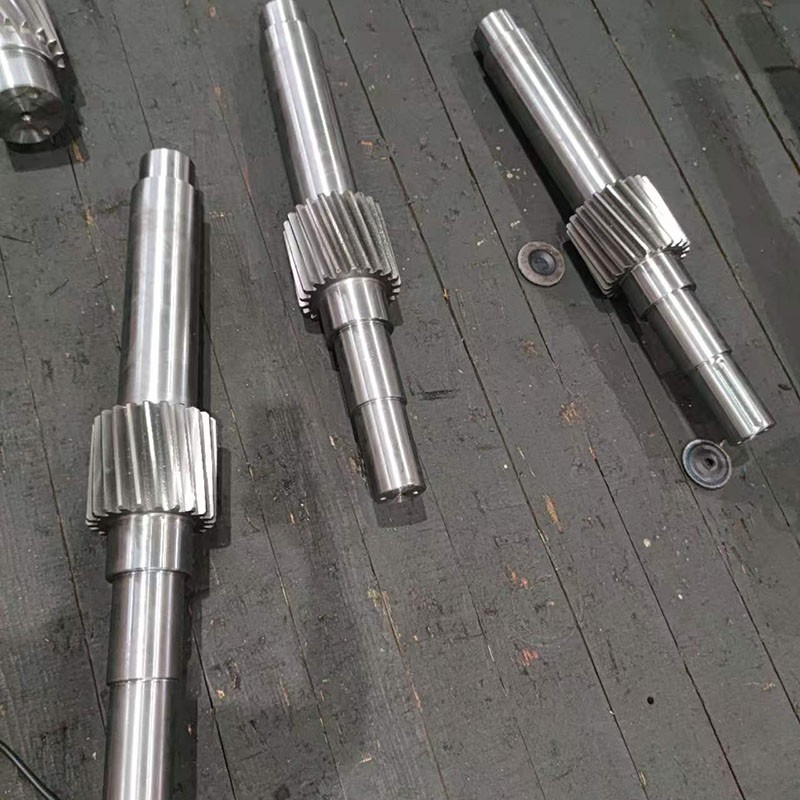
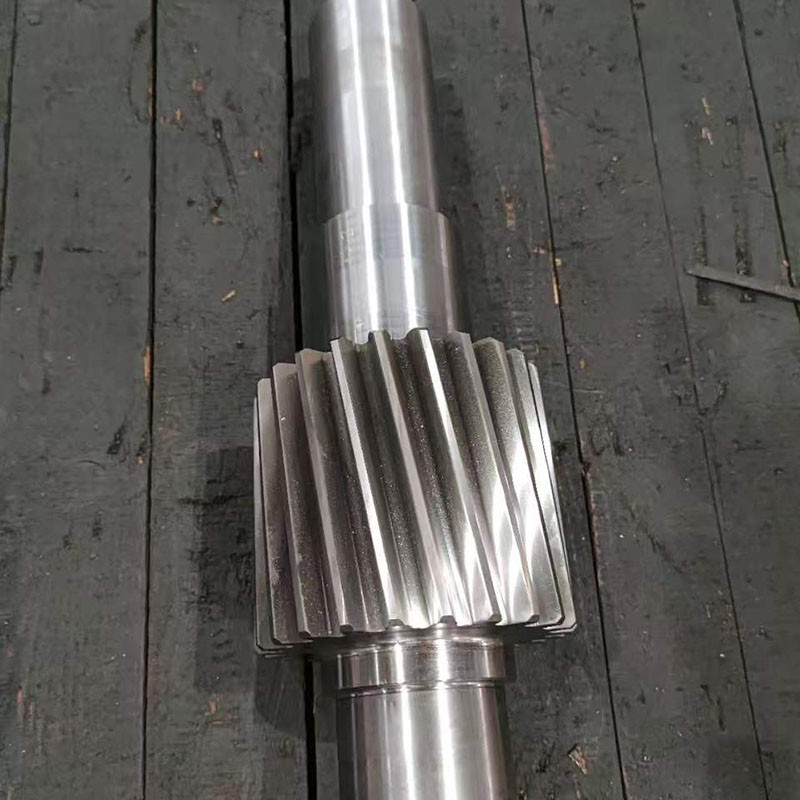
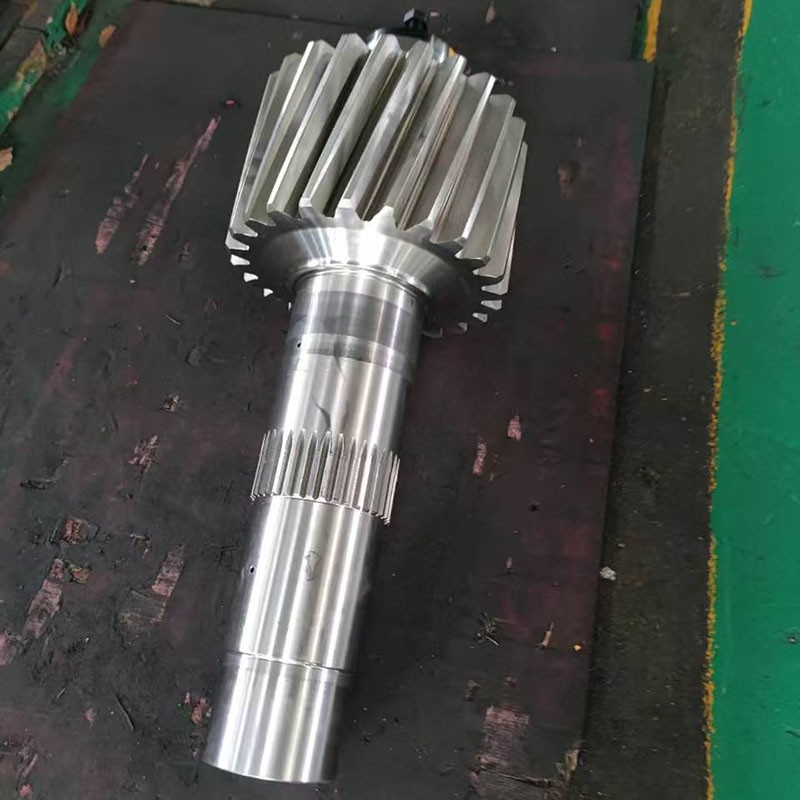
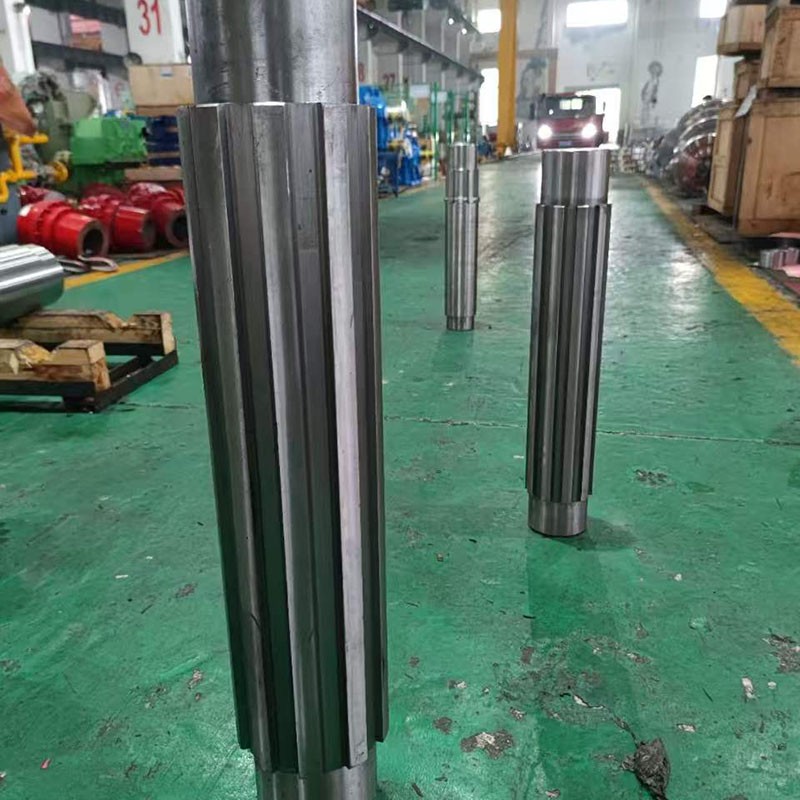
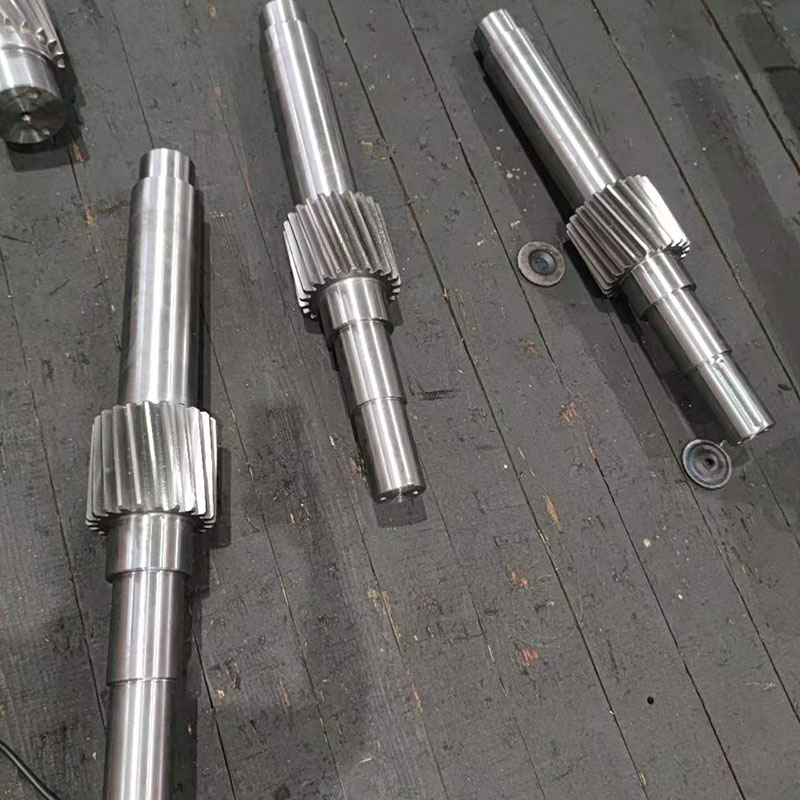
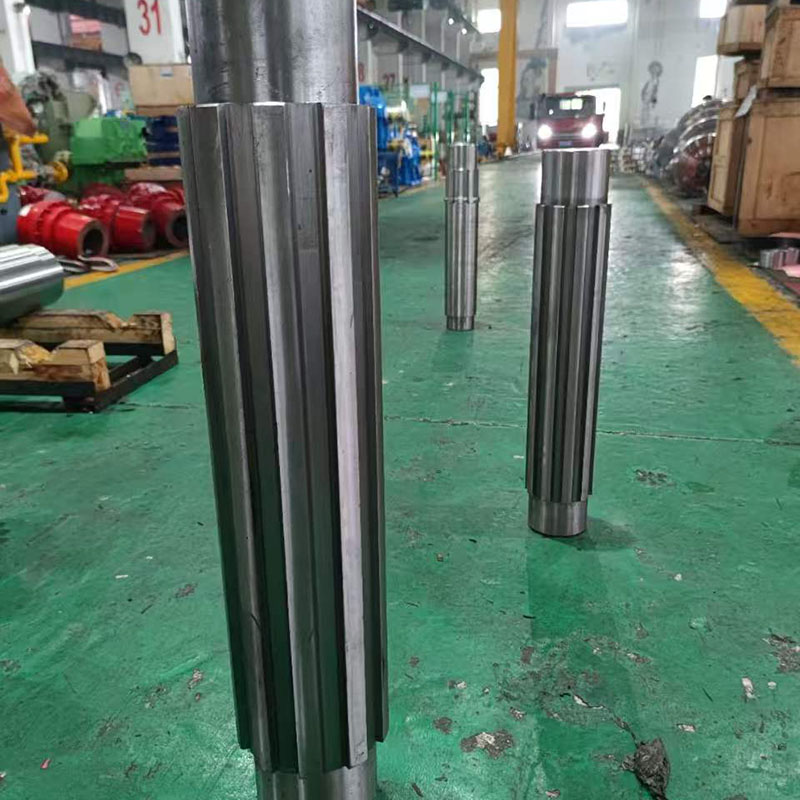
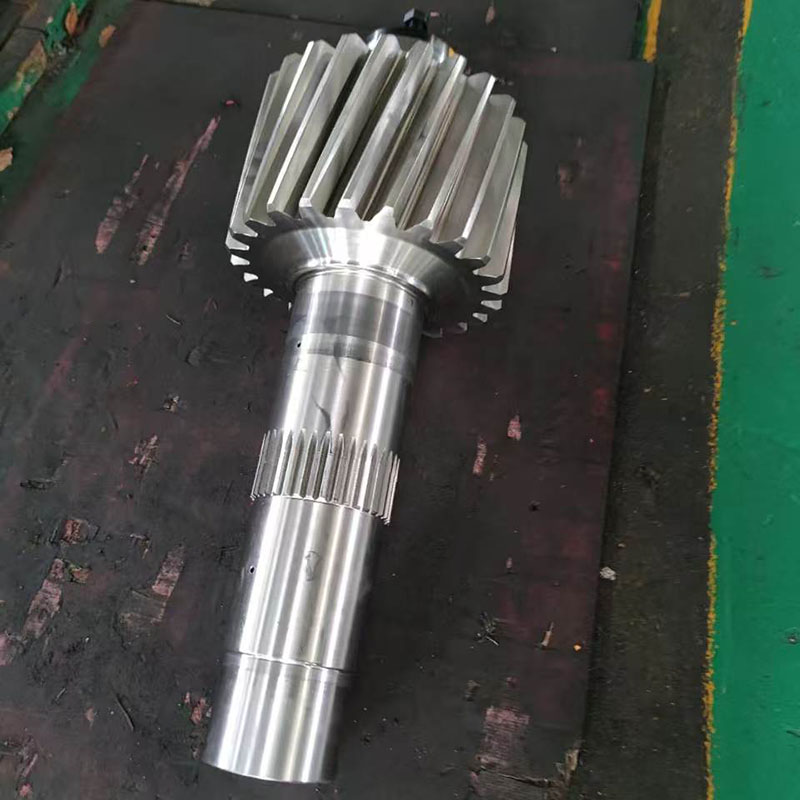
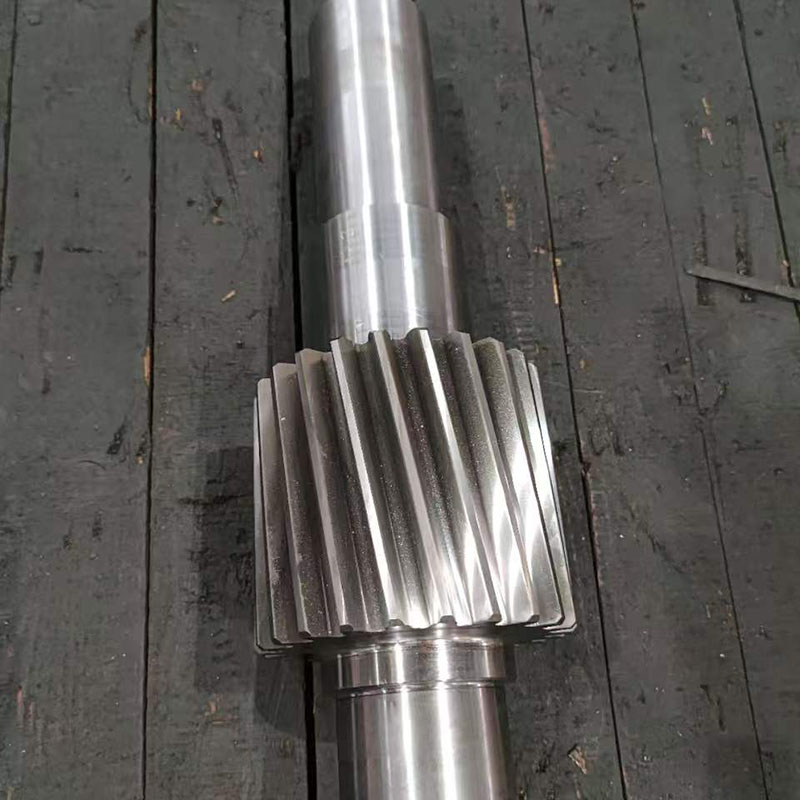
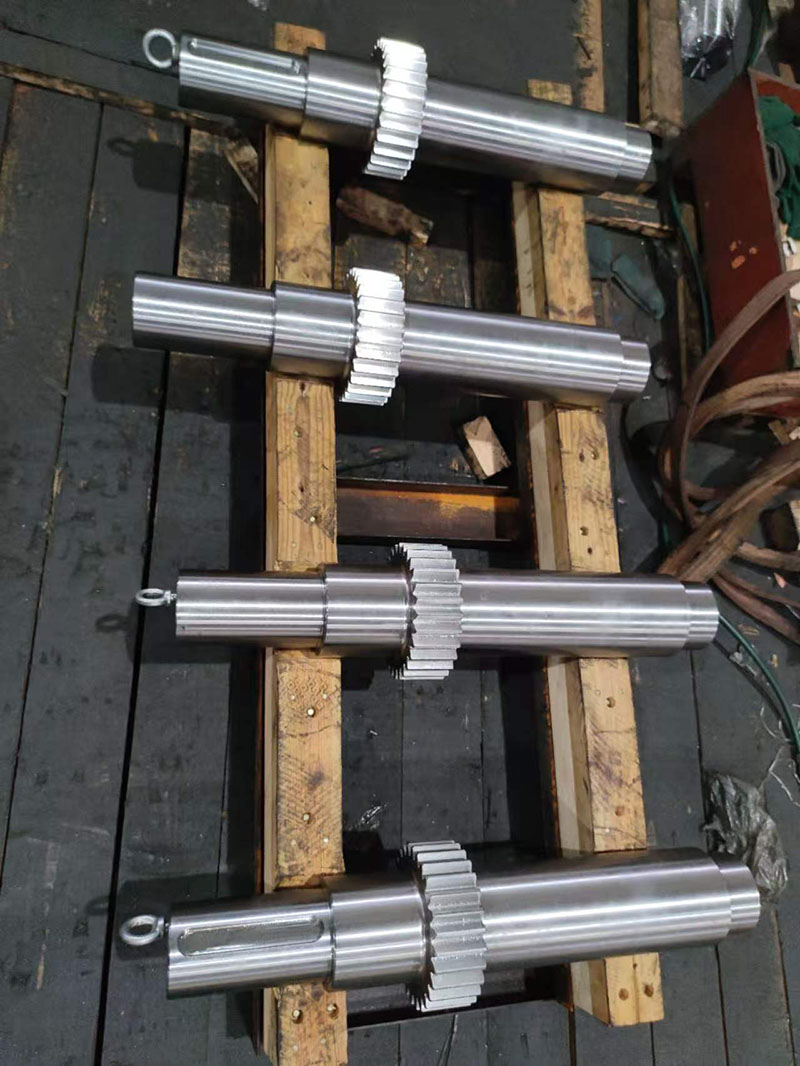
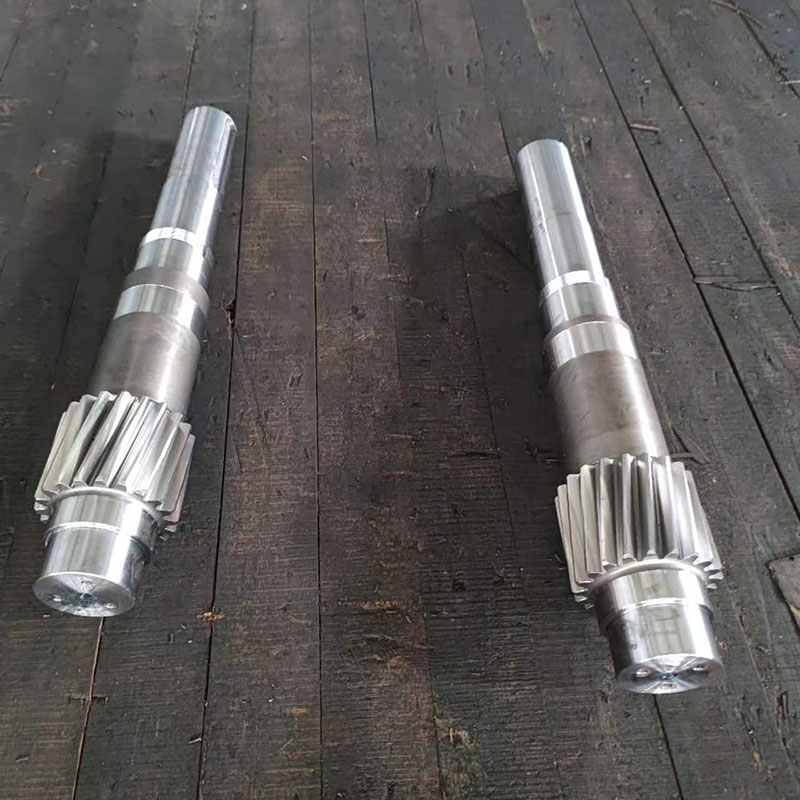
A gear shaft, also known as a geared shaft or integral gear shaft, is a mechanical component that combines the functions of a shaft and a gear into a single, unified part. Unlike traditional assemblies where a separate gear is keyed or pressed onto a plain shaft, a gear shaft features gear teeth machined directly onto the shaft's surface, creating a monolithic structure that transmits torque and rotational motion efficiently.
The design philosophy behind the gear shaft is rooted in simplicity and reliability. By eliminating the need for keys, splines, or press-fits between the gear and the shaft, this integrated construction significantly reduces potential failure points. There is no risk of key shearing, hub loosening, or fretting corrosion at the interface—common issues that plague separate gear-shaft assemblies. The result is a more compact, lightweight, and robust component capable of handling higher torque loads in confined spaces.
Manufacturing gear shafts typically involves advanced machining processes such as gear hobbing, shaping, or milling directly on the shaft blank, followed by heat treatment to harden the teeth and precision grinding to achieve final dimensional accuracy. In high-performance applications, the teeth and bearing journals may be ground to micron-level tolerances, ensuring minimal runout and optimal meshing characteristics. Materials commonly include case-hardened alloy steels, through-hardened carbon steels, or specialized grades for high-temperature and corrosion-resistant applications.
Gear shafts are indispensable in a wide range of machinery. In automotive transmissions, they serve as input, output, and countershafts. In industrial gearboxes, they support multiple gear stages within a compact housing. In aerospace, precision-ground gear shafts transmit power in engine accessory drives. Marine propulsion, wind turbine drivetrains, and robotics also rely heavily on these integrated components.
Key advantages include superior torsional stiffness, perfect concentricity between the gear and the shaft axes, and simplified assembly. Limitations include higher manufacturing cost, reduced repairability, and increased material waste during production. Despite these challenges, the gear shaft remains a cornerstone of power transmission engineering—where performance, space, and reliability converge.
A gear shaft, also known as a geared shaft or integral gear shaft, is a mechanical component that combines the functions of a shaft and a gear into a single, unified part. Unlike traditional assemblies where a separate gear is keyed or pressed onto a plain shaft, a gear shaft features gear teeth machined directly onto the shaft's surface, creating a monolithic structure that transmits torque and rotational motion efficiently.
The design philosophy behind the gear shaft is rooted in simplicity and reliability. By eliminating the need for keys, splines, or press-fits between the gear and the shaft, this integrated construction significantly reduces potential failure points. There is no risk of key shearing, hub loosening, or fretting corrosion at the interface—common issues that plague separate gear-shaft assemblies. The result is a more compact, lightweight, and robust component capable of handling higher torque loads in confined spaces.
Manufacturing gear shafts typically involves advanced machining processes such as gear hobbing, shaping, or milling directly on the shaft blank, followed by heat treatment to harden the teeth and precision grinding to achieve final dimensional accuracy. In high-performance applications, the teeth and bearing journals may be ground to micron-level tolerances, ensuring minimal runout and optimal meshing characteristics. Materials commonly include case-hardened alloy steels, through-hardened carbon steels, or specialized grades for high-temperature and corrosion-resistant applications.
Gear shafts are indispensable in a wide range of machinery. In automotive transmissions, they serve as input, output, and countershafts. In industrial gearboxes, they support multiple gear stages within a compact housing. In aerospace, precision-ground gear shafts transmit power in engine accessory drives. Marine propulsion, wind turbine drivetrains, and robotics also rely heavily on these integrated components.
Key advantages include superior torsional stiffness, perfect concentricity between the gear and the shaft axes, and simplified assembly. Limitations include higher manufacturing cost, reduced repairability, and increased material waste during production. Despite these challenges, the gear shaft remains a cornerstone of power transmission engineering—where performance, space, and reliability converge.
PREVIOUS:Guide plate
NEXT:Gear