Gear
- CategoryGear shaft
- DescriptionA gear is a rotating machine component with cut teeth that mesh with another toothed component to transmit torque and motion. As one of the oldest and most fundamental mechanical inventions, gears are
Product description
**Gear: The Backbone of Mechanical Power Transmission**
A gear is a rotating machine component with cut teeth that mesh with another toothed component to transmit torque and motion. As one of the oldest and most fundamental mechanical inventions, gears are essential for changing speed, direction, and torque in countless machines—from tiny wristwatches to massive wind turbines.
The working principle of gears is based on the basic law of gearing, which ensures a constant angular velocity ratio between meshing teeth. As one gear rotates, its teeth progressively engage and disengage with the teeth of a mating gear, transferring power smoothly. The ratio between the number of teeth on the driven gear versus the driving gear determines the speed and torque transformation—a larger gear driven by a smaller one increases torque while reducing speed, and vice versa.
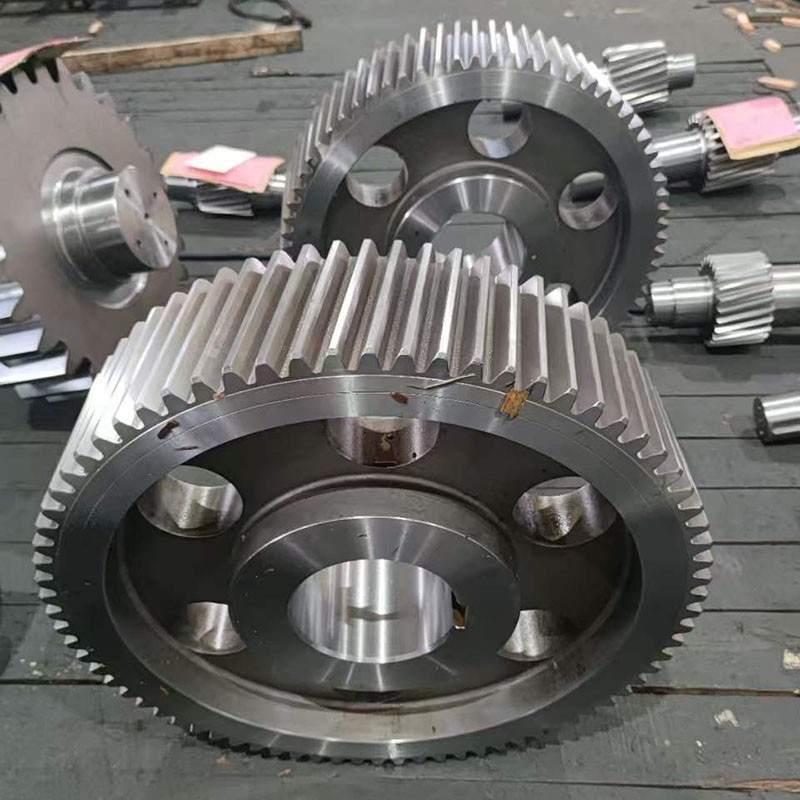
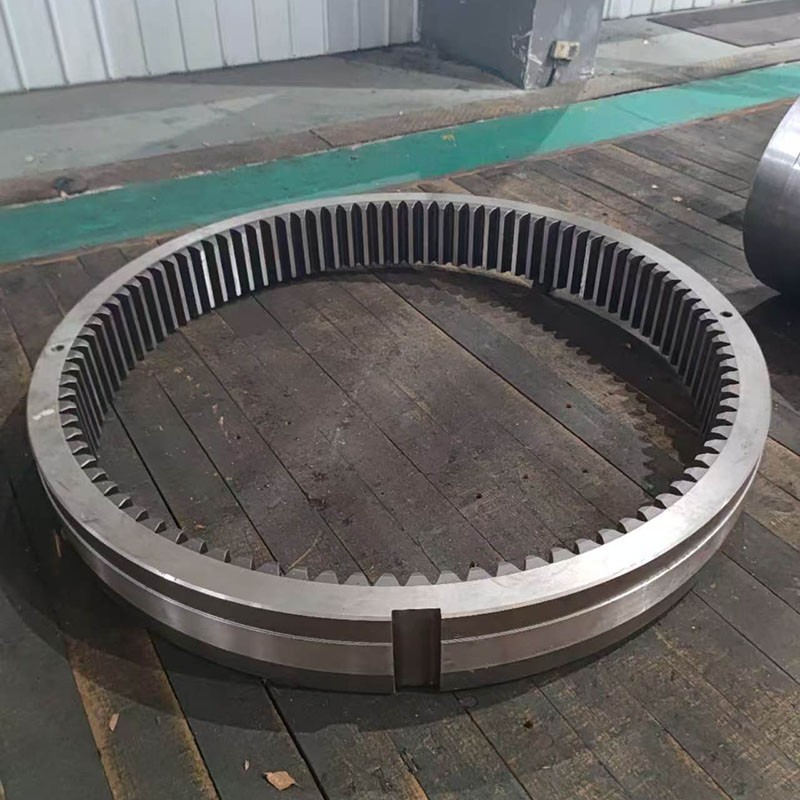
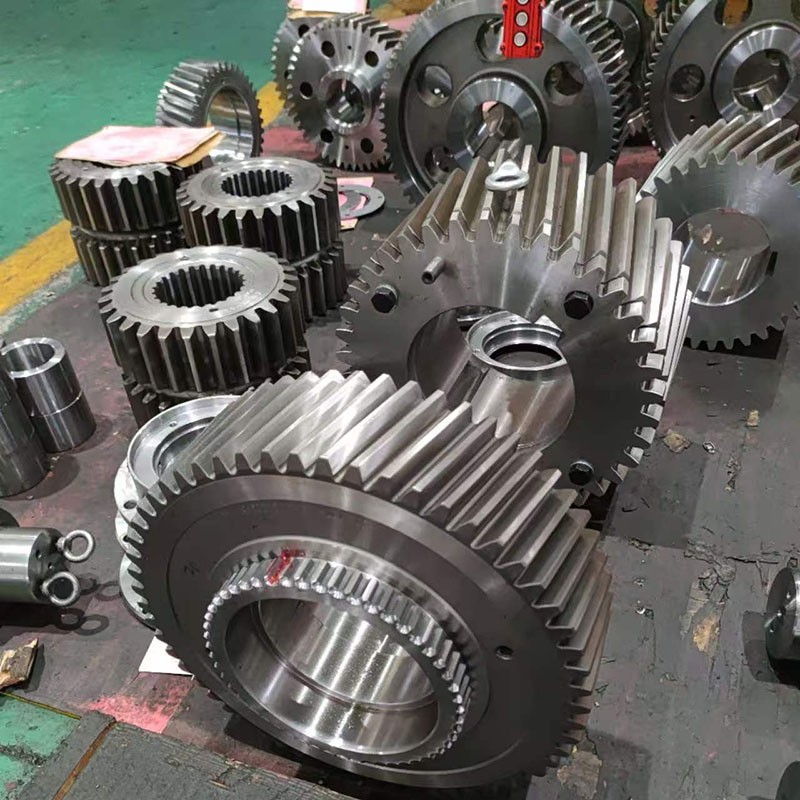
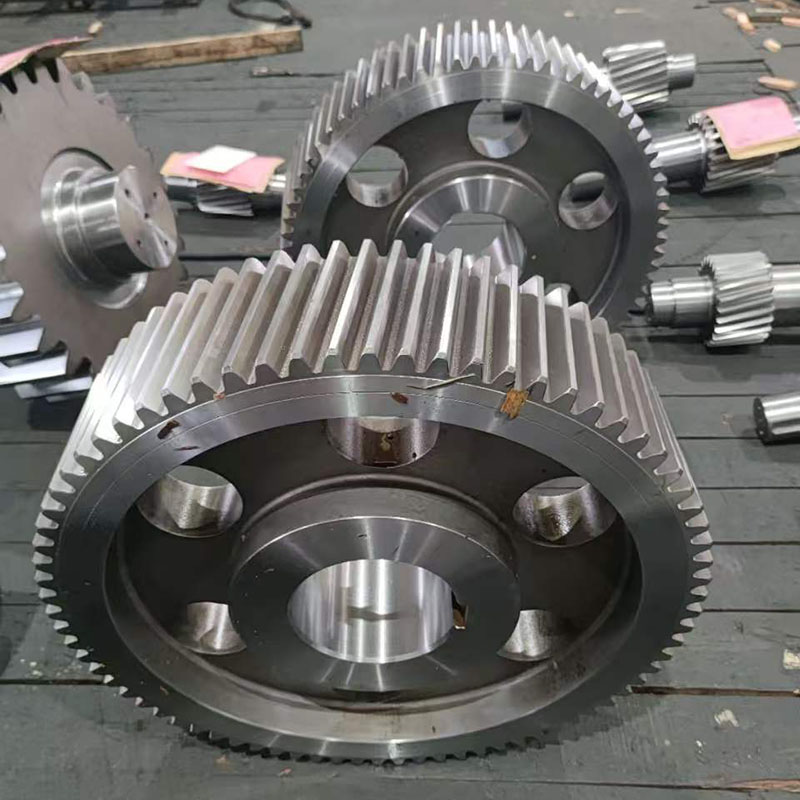
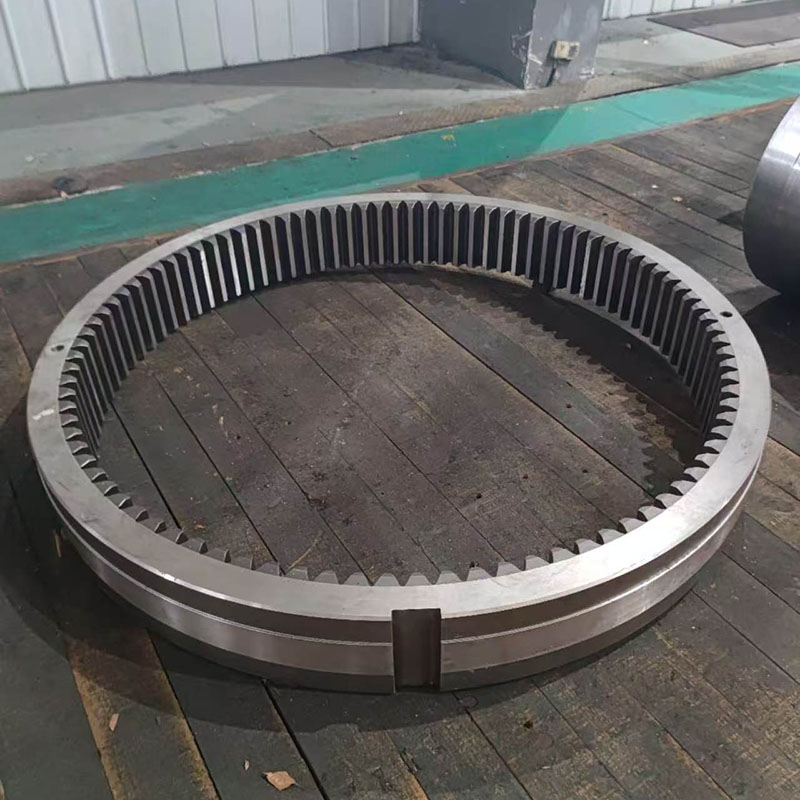
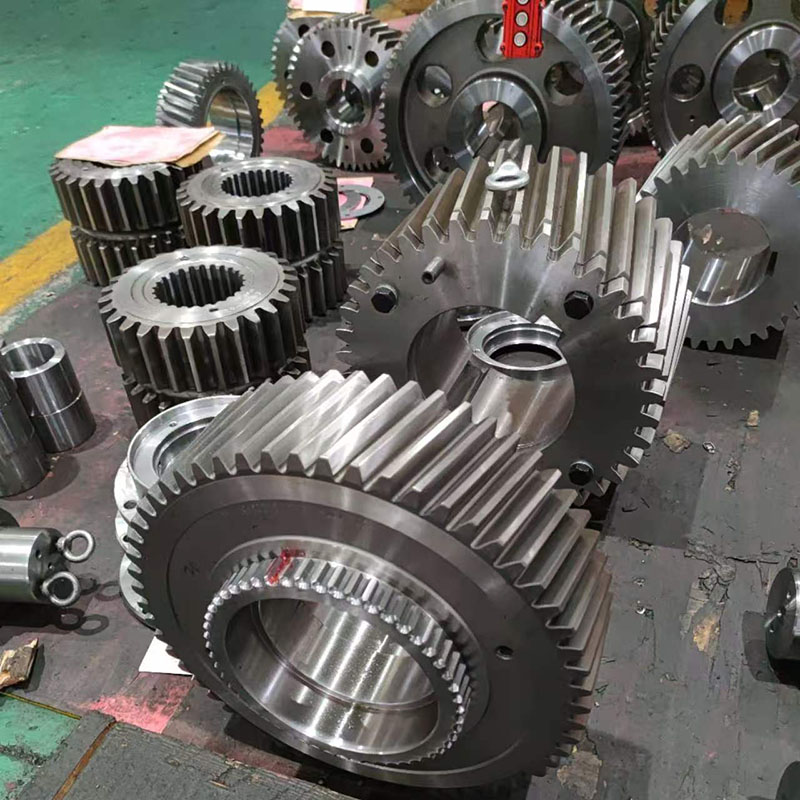
Gears are classified into several types based on tooth shape and axis orientation. Spur gears, the most common type, have straight teeth and are used for parallel shafts. Helical gears feature angled teeth, offering smoother and quieter operation with higher load capacity. Bevel gears transmit power between intersecting shafts, while worm gears provide high reduction ratios in perpendicular non-intersecting configurations. Specialized types include rack and pinion for converting rotational to linear motion, and planetary gear systems for compact, high-ratio transmission.
Modern gears are manufactured through various processes, including hobbing, milling, grinding, and forging, with materials ranging from hardened steel and cast iron to brass, bronze, and engineered plastics. The evolution of gear design—from involute tooth profiles to advanced surface treatments—has significantly improved efficiency, durability, and noise reduction.
Gears are omnipresent in modern life: in vehicle transmissions, industrial gearboxes, clocks, robotic actuators, aircraft engines, and even bicycle drivetrains. While often taken for granted, the gear remains one of engineering's most elegant solutions—transforming raw power into precisely controlled motion that drives civilization forward.
A gear is a rotating machine component with cut teeth that mesh with another toothed component to transmit torque and motion. As one of the oldest and most fundamental mechanical inventions, gears are essential for changing speed, direction, and torque in countless machines—from tiny wristwatches to massive wind turbines.
The working principle of gears is based on the basic law of gearing, which ensures a constant angular velocity ratio between meshing teeth. As one gear rotates, its teeth progressively engage and disengage with the teeth of a mating gear, transferring power smoothly. The ratio between the number of teeth on the driven gear versus the driving gear determines the speed and torque transformation—a larger gear driven by a smaller one increases torque while reducing speed, and vice versa.
Gears are classified into several types based on tooth shape and axis orientation. Spur gears, the most common type, have straight teeth and are used for parallel shafts. Helical gears feature angled teeth, offering smoother and quieter operation with higher load capacity. Bevel gears transmit power between intersecting shafts, while worm gears provide high reduction ratios in perpendicular non-intersecting configurations. Specialized types include rack and pinion for converting rotational to linear motion, and planetary gear systems for compact, high-ratio transmission.
Modern gears are manufactured through various processes, including hobbing, milling, grinding, and forging, with materials ranging from hardened steel and cast iron to brass, bronze, and engineered plastics. The evolution of gear design—from involute tooth profiles to advanced surface treatments—has significantly improved efficiency, durability, and noise reduction.
Gears are omnipresent in modern life: in vehicle transmissions, industrial gearboxes, clocks, robotic actuators, aircraft engines, and even bicycle drivetrains. While often taken for granted, the gear remains one of engineering's most elegant solutions—transforming raw power into precisely controlled motion that drives civilization forward.
PREVIOUS:Gear Shaft
NEXT:Eccentric sleeve(bushing)