Tube
- CategorySpinning tube(Spinneret)
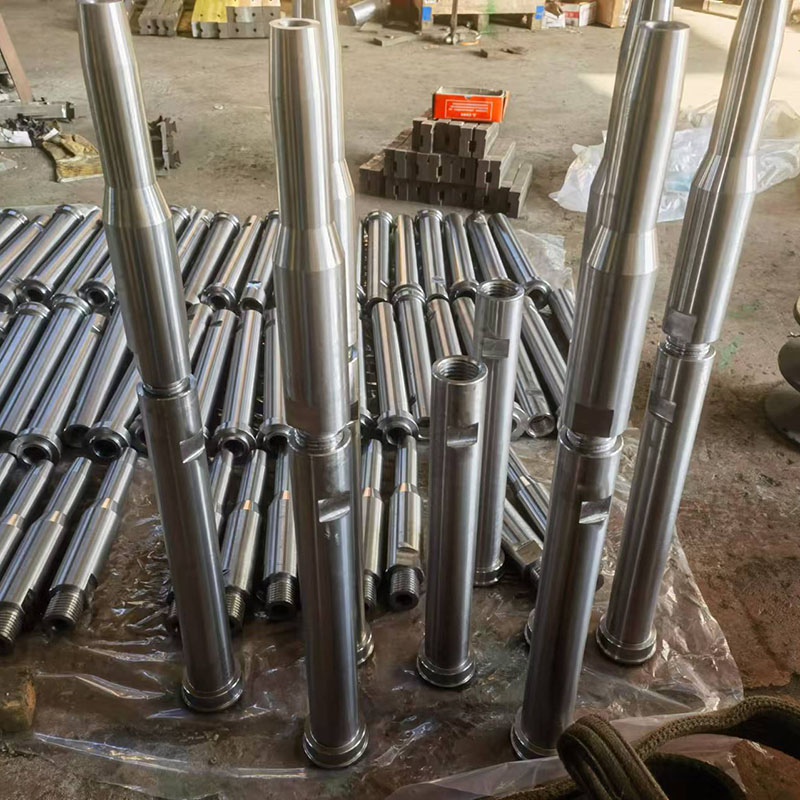
- DescriptionA tube is a hollow, elongated cylindrical component used to convey fluids, gases, or solids in suspension, or to provide structural support and protection. Distinct from a pipe—which is typically defi
Product description
Tube: The Versatile Conduit of Modern Engineering
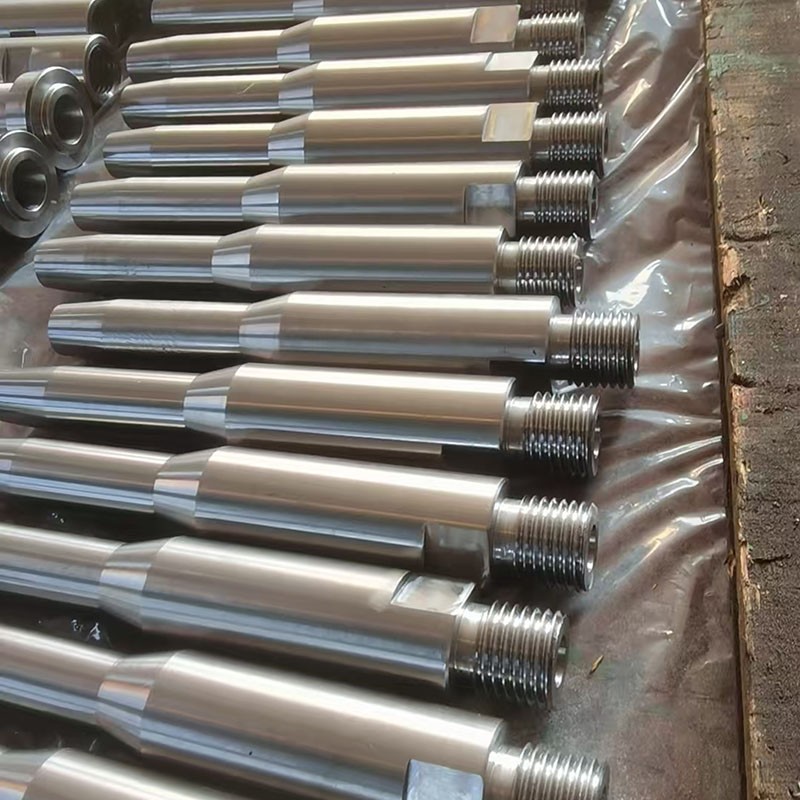
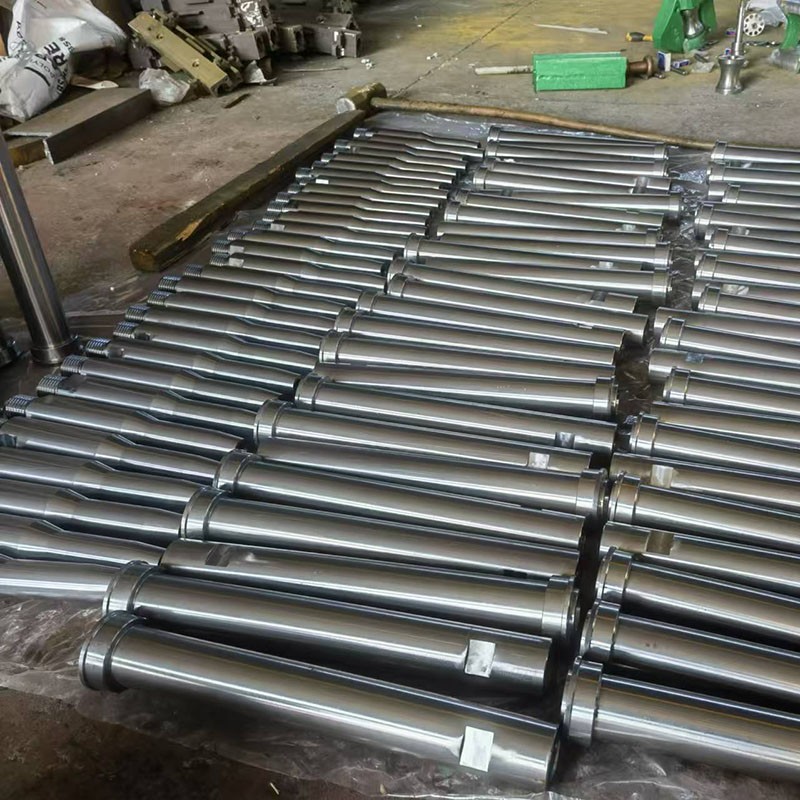
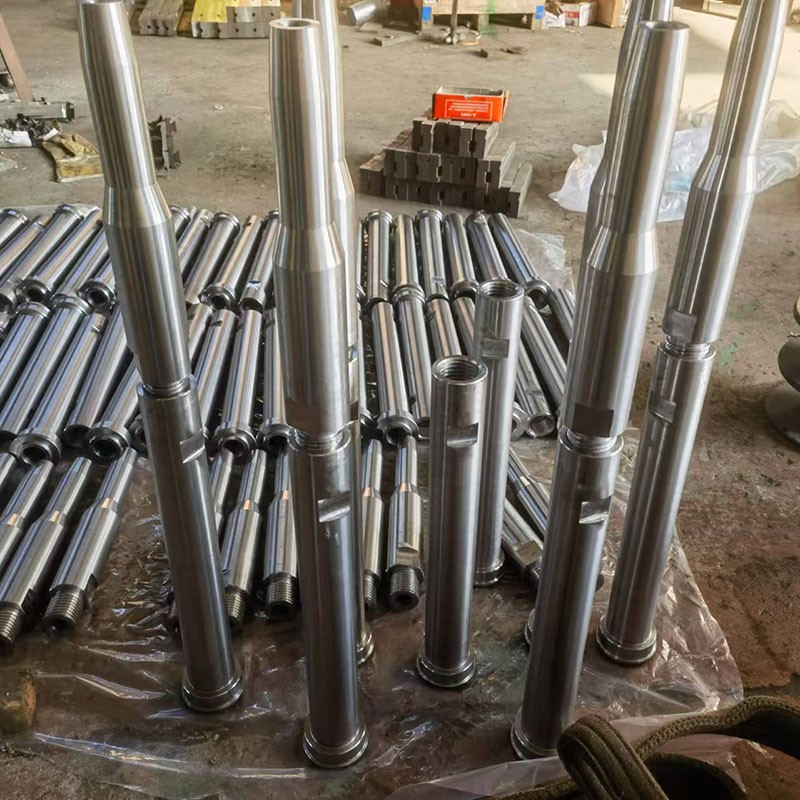
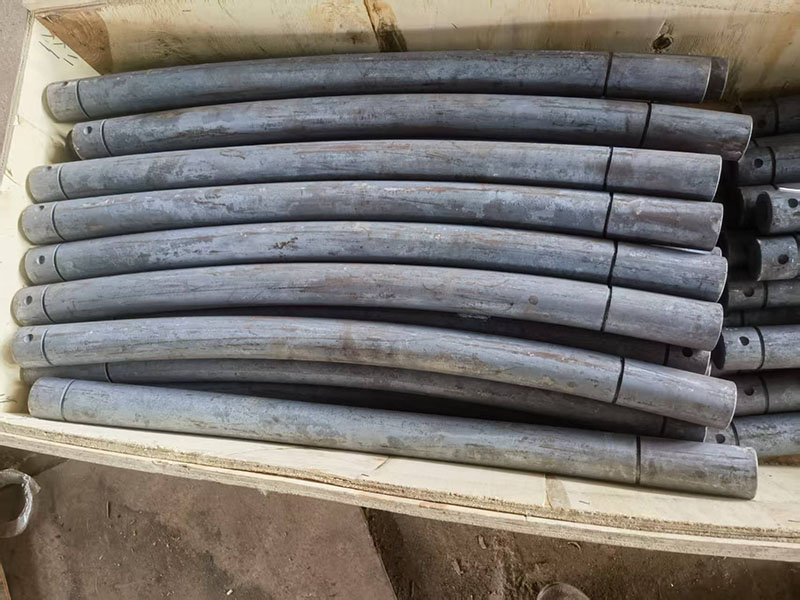
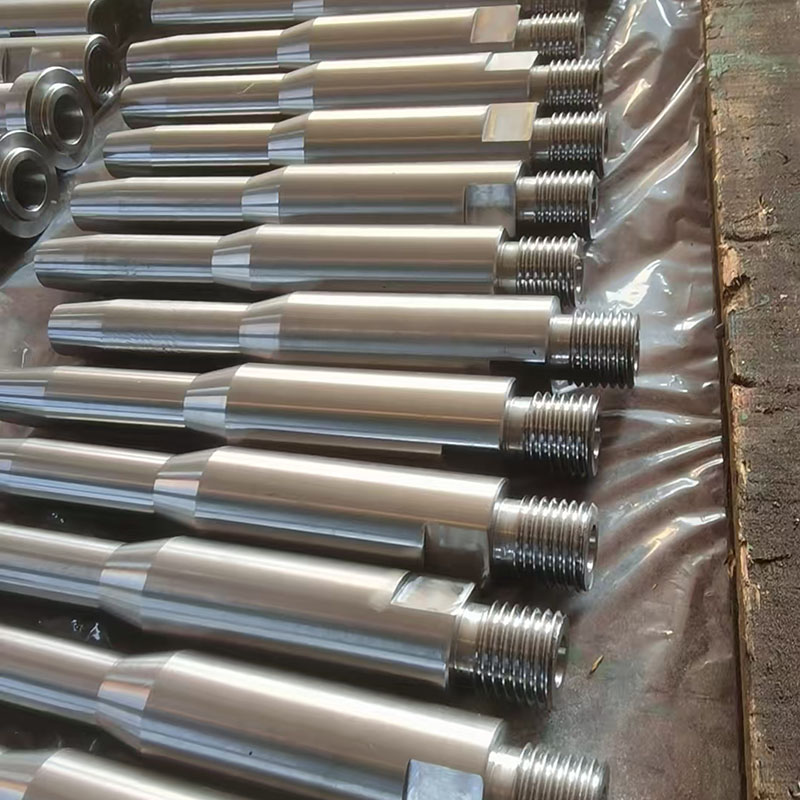
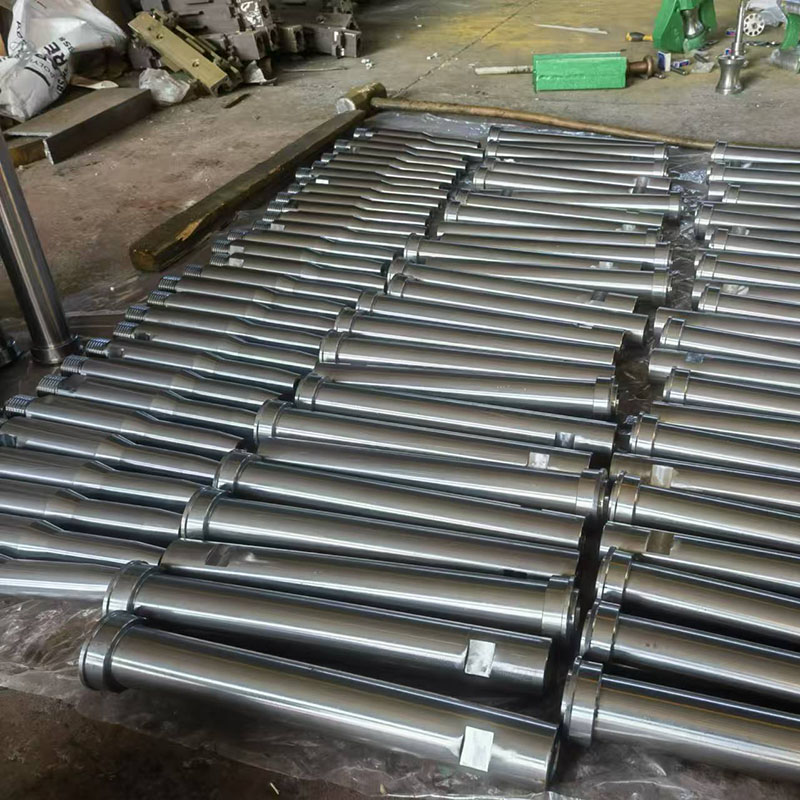
A tube is a hollow, elongated cylindrical component used to convey fluids, gases, or solids in suspension, or to provide structural support and protection. Distinct from a pipe—which is typically defined by its nominal diameter and schedule thickness—a tube is generally characterized by its exact outside diameter and wall thickness, enabling greater precision in engineering applications.
The fundamental purpose of a tube lies in its dual nature: as a conduit for transport and as a structural element. In fluid systems, tubes carry everything from drinking water and hydraulic oil to compressed air and refrigerant gases. In structural applications, they serve as frames, columns, or rails—providing strength with light weight due to their hollow cross-section. The round shape offers inherent strength against internal pressure and external loads, making tubes ideal for pressure vessels, heat exchangers, and mechanical support systems.
Tubes are manufactured through various processes to meet exacting requirements. Seamless tubes are produced by piercing a solid billet and rolling or drawing it to size, resulting in a continuous, joint-free structure ideal for high-pressure applications. Welded tubes are formed from flat strip or plate, with the seam fused through electric resistance, laser, or submerged arc welding. Materials range from carbon steel and stainless steel to copper, aluminum, titanium, and advanced polymers such as PTFE and PEEK.
Tube applications are virtually limitless. In heat exchangers and condensers, thousands of tubes transfer thermal energy between fluids. In hydraulic systems, precision-drawn tubes transmit power with minimal pressure loss. In medical devices, tiny hypotubes guide catheters and deliver medications. In aerospace, lightweight titanium tubes carry fuel and hydraulic fluid while maintaining structural integrity under extreme conditions.
Key considerations include wall thickness tolerance, surface finish, straightness, and corrosion resistance. Tube specifications such as ASTM, DIN, or JIS standards ensure quality and interchangeability. Though simple in geometry, the tube remains one of engineering's most indispensable forms—silently containing and directing the flows that power industry, sustain life, and enable innovation across every sector of modern technology.
PREVIOUS:Water box guide channel
NEXT:Slip ring seal