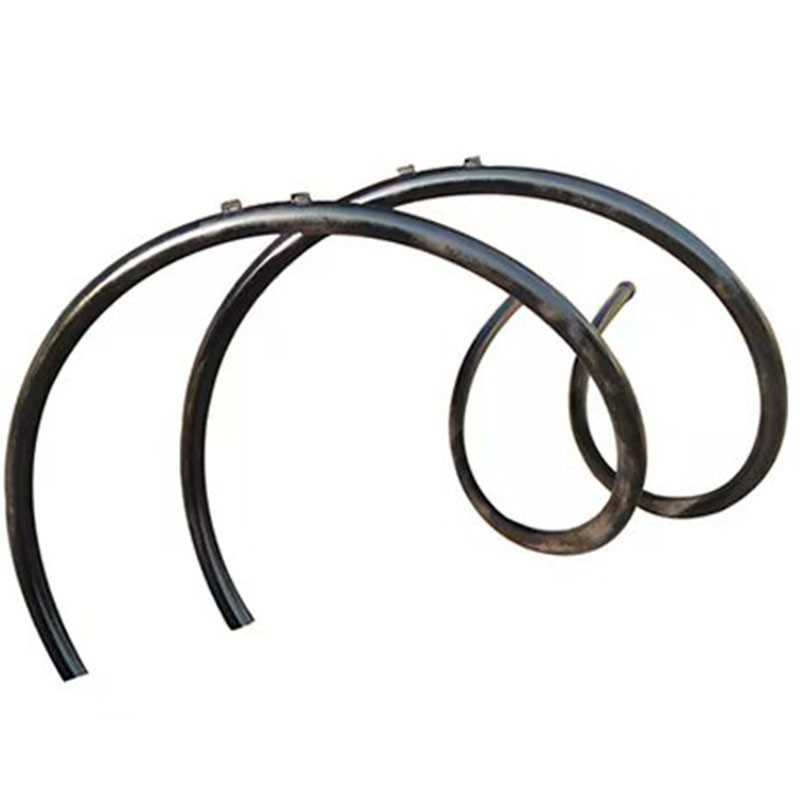
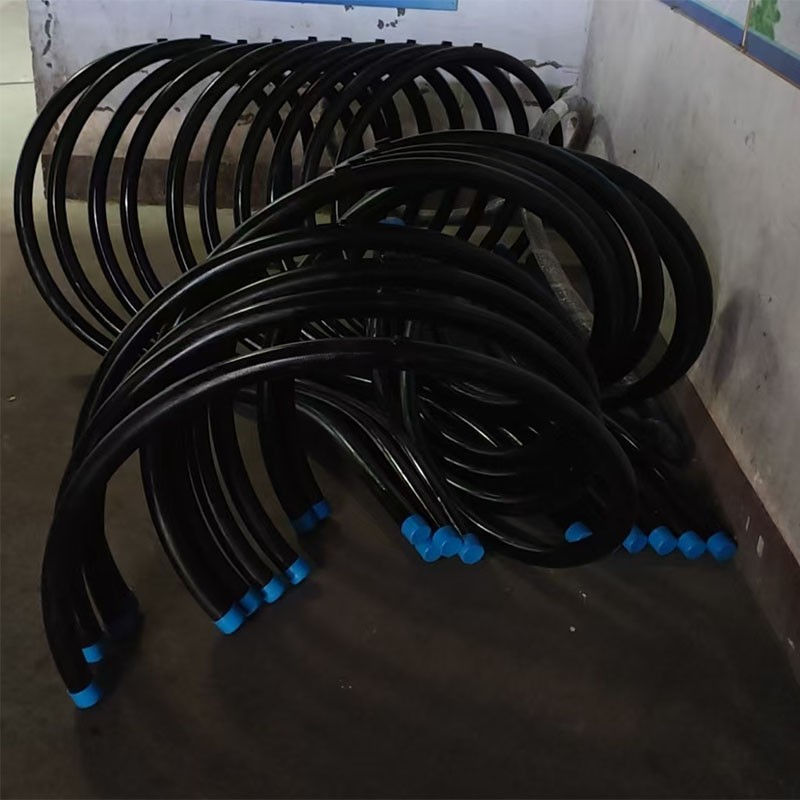
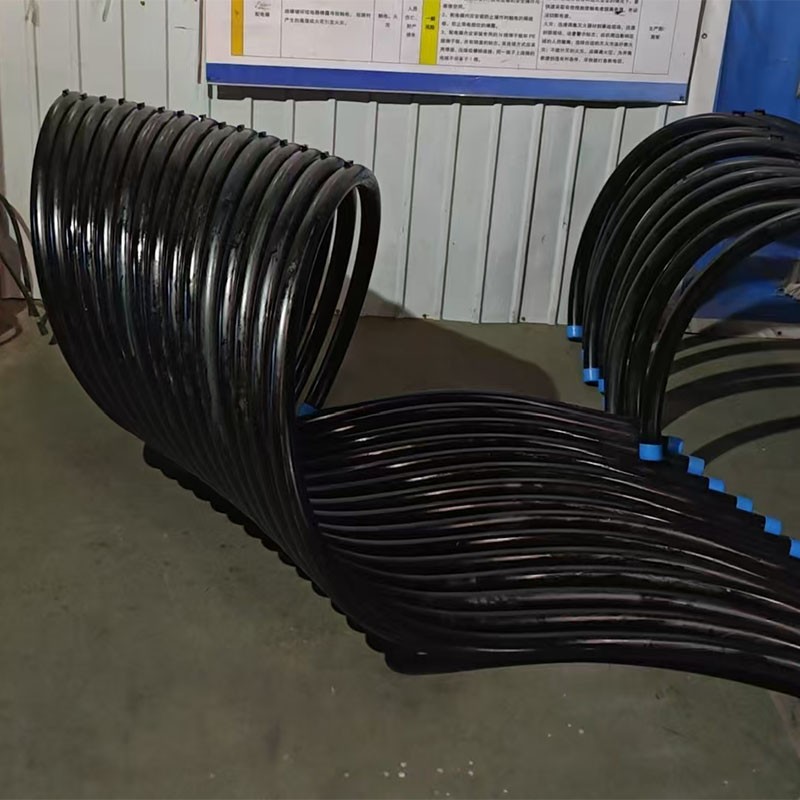
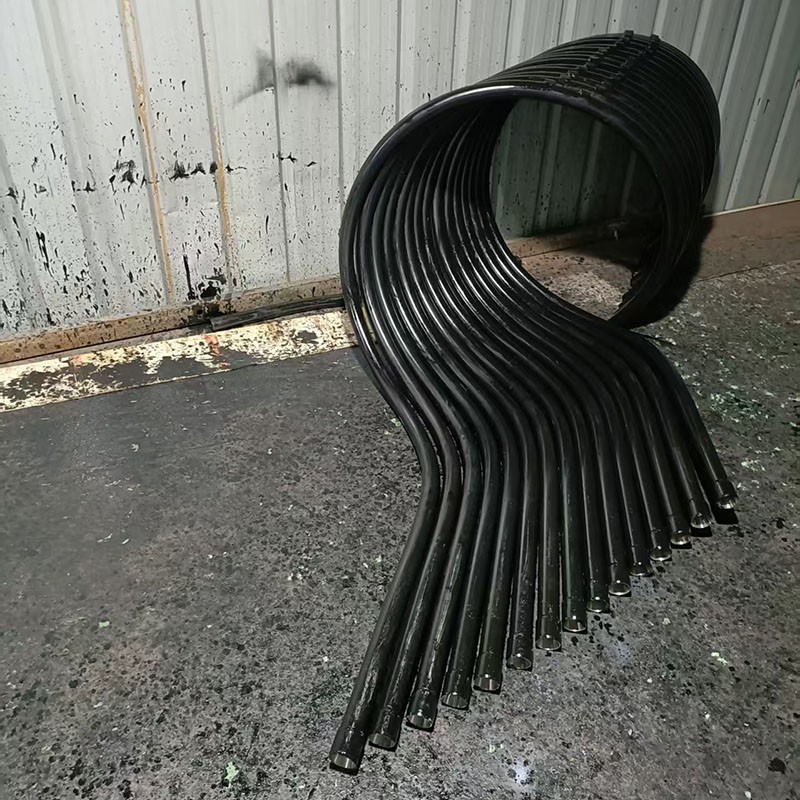
Laying Pipe
- CategoryLaying Pipe(Tube)
- DescriptionLaying pipe, also known as pipeline installation or pipe laying, is the process of placing pipes underground, underwater, or above ground for the transportation of fluids, gases, or solids in suspensi
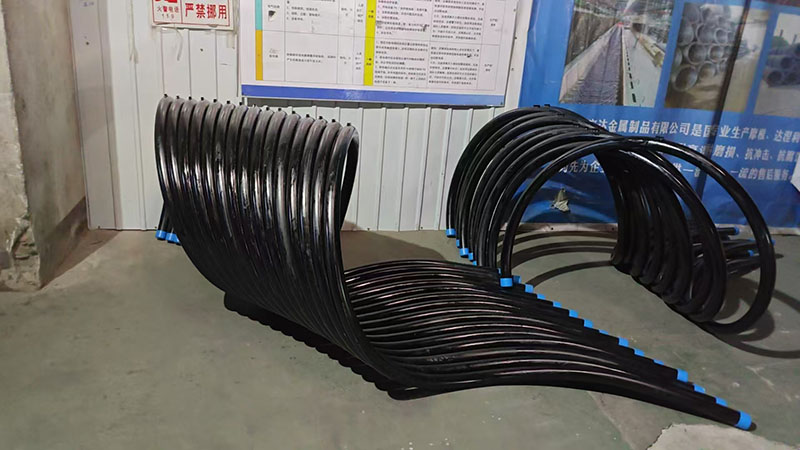
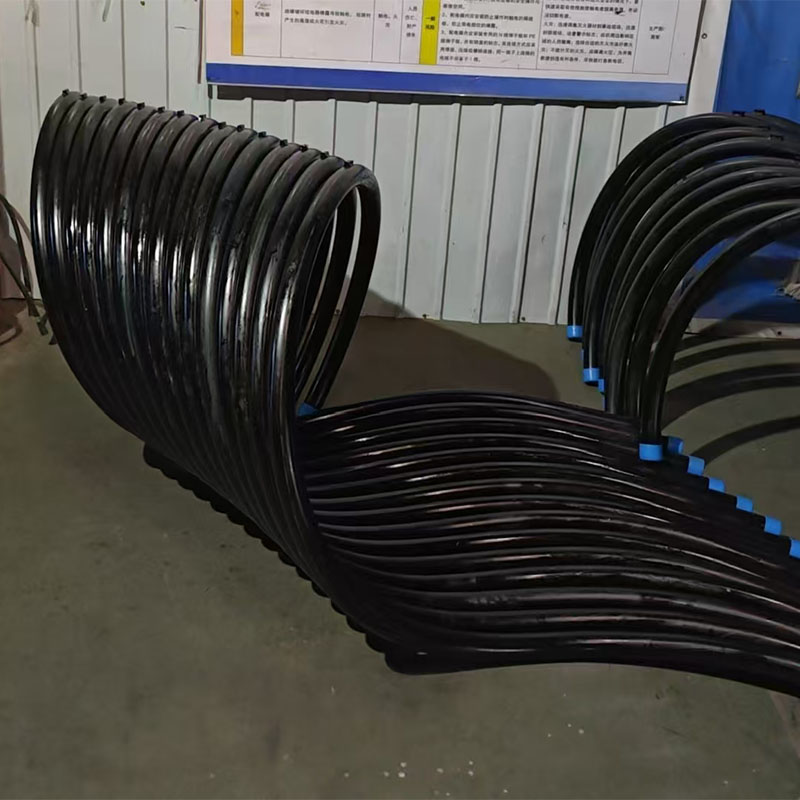
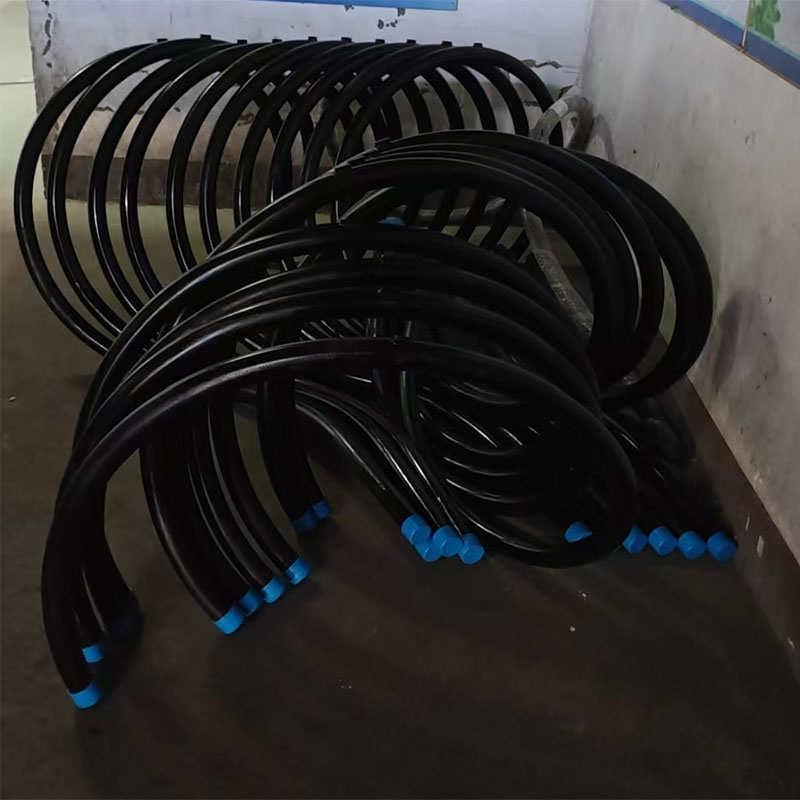
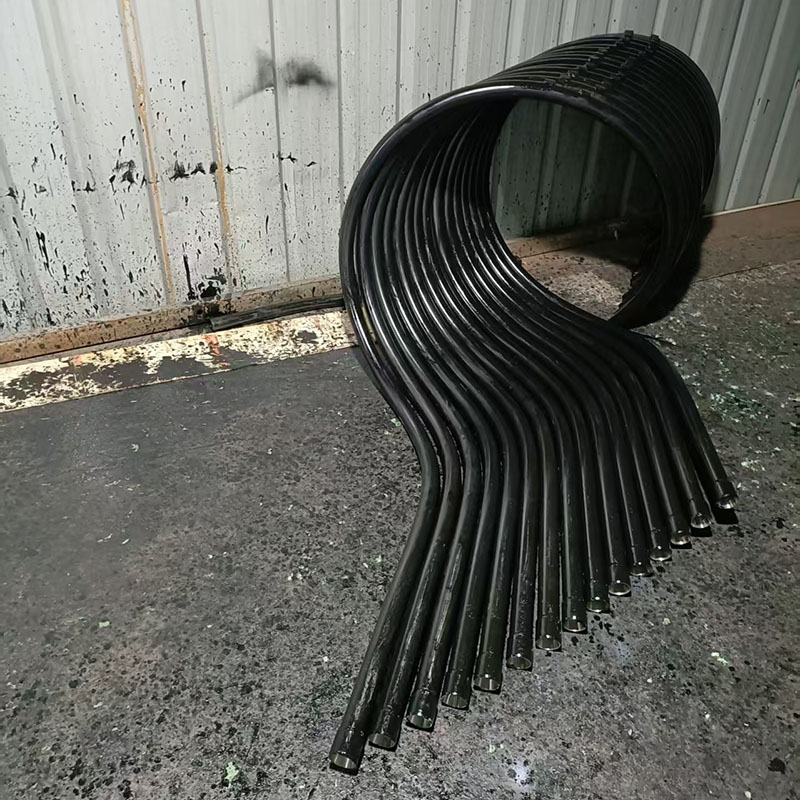
Product description
SMS:
51*6.3
Danieli:
50.5*8.25
36*8
60.3*5.15
Laying Pipe: The Art and Science of Pipeline Installation
Laying pipe, also known as pipeline installation or pipe laying, is the process of placing pipes underground, underwater, or above ground for the transportation of fluids, gases, or solids in suspension. This fundamental civil and mechanical engineering activity forms the backbone of modern infrastructure—delivering water to cities, oil and gas across continents, sewage away from communities, and industrial materials between production facilities.
The process of laying pipe involves several carefully orchestrated stages. First, trenching or excavation creates a pathway along the planned route, whether through open fields, urban streets, or riverbeds. Trenchless technologies such as horizontal directional drilling and pipe jacking have revolutionized installation, minimizing surface disruption in sensitive areas. Next, a bedding layer of sand or gravel is placed at the bottom of the trench to provide stable, uniform support for the pipe. The pipe sections—which may range from small-diameter PVC lines to massive steel conduits exceeding several meters in diameter—are then lowered into position using cranes, side booms, or specialized laying equipment. Jointing methods include welding, flanging, threading, or solvent cementing, depending on the pipe material and application. Finally, backfilling and compaction restore the ground surface.
Modern pipe laying incorporates advanced technologies: pipeline inspection gauges ensure internal integrity, laser alignment systems maintain precise gradients, and real-time monitoring tracks settlement and strain. Specialized vessels equipped with dynamic positioning systems lay offshore pipelines from spools or reels in depths exceeding 3,000 meters.
Applications span municipal water distribution, cross-country oil and gas transmission, submarine cable protection, deep-sea mining, and geothermal energy systems. Key considerations include soil conditions, corrosion protection, thermal expansion, pressure ratings, and environmental impact.
While laying pipe may appear straightforward, it demands meticulous planning, rigorous quality control, and deep understanding of both mechanical behavior and environmental interaction—an essential discipline that quietly sustains civilization's lifeblood.
PREVIOUS:Slip ring seal
NEXT:Water Quenching System