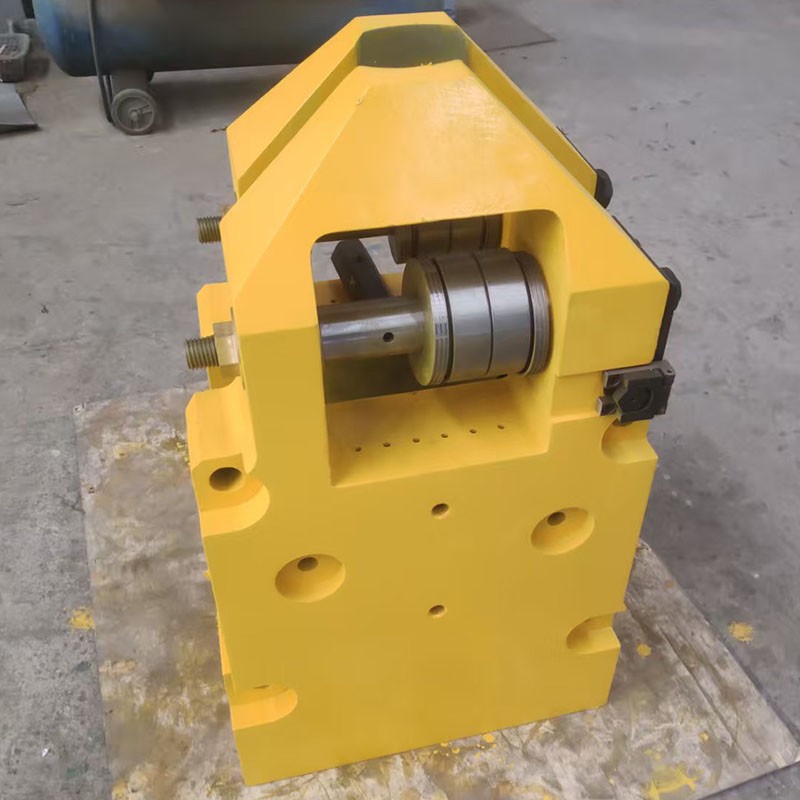
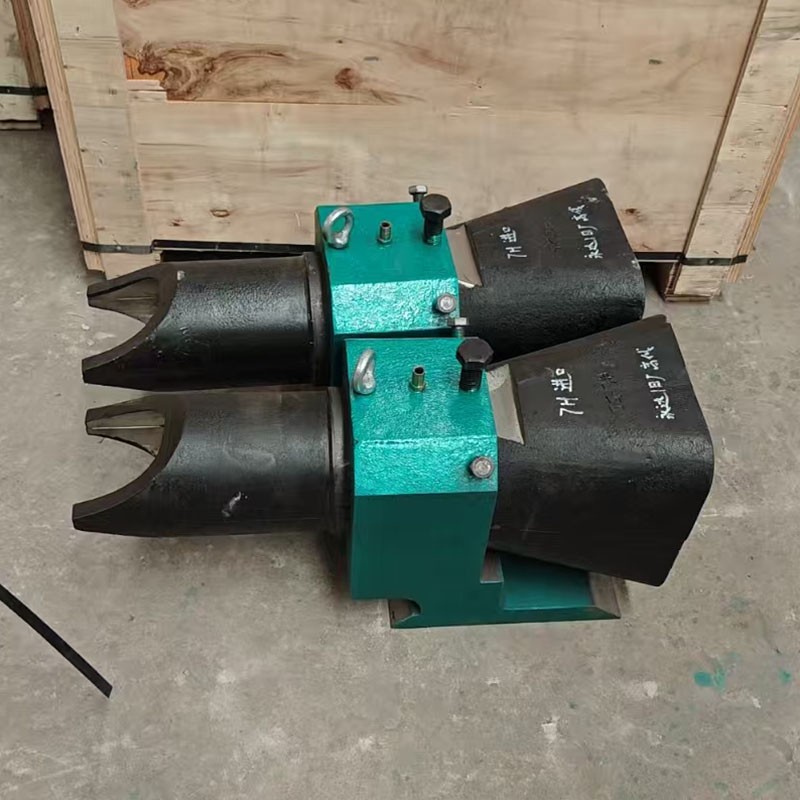
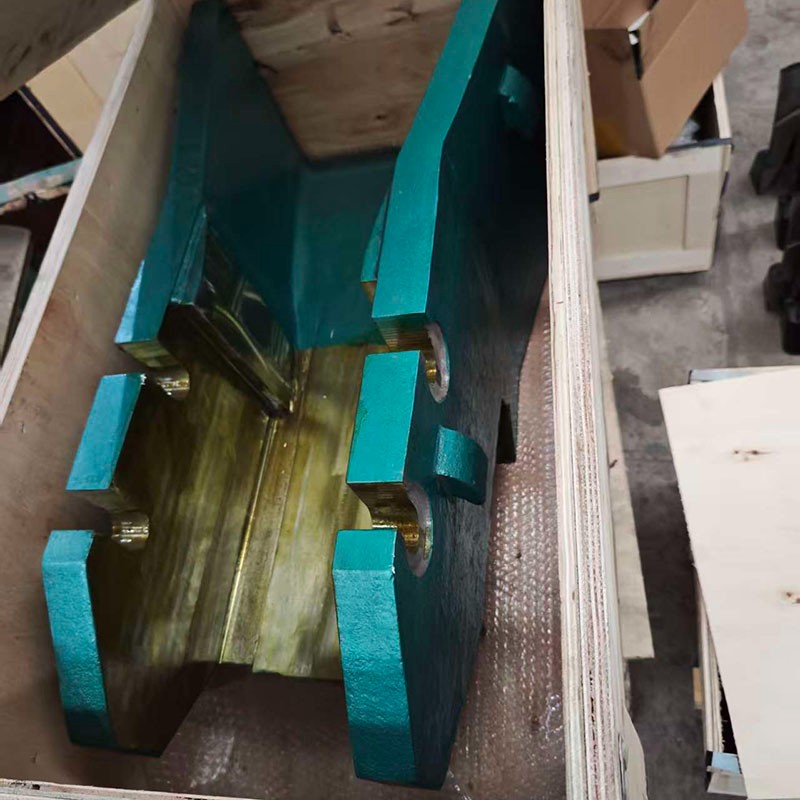
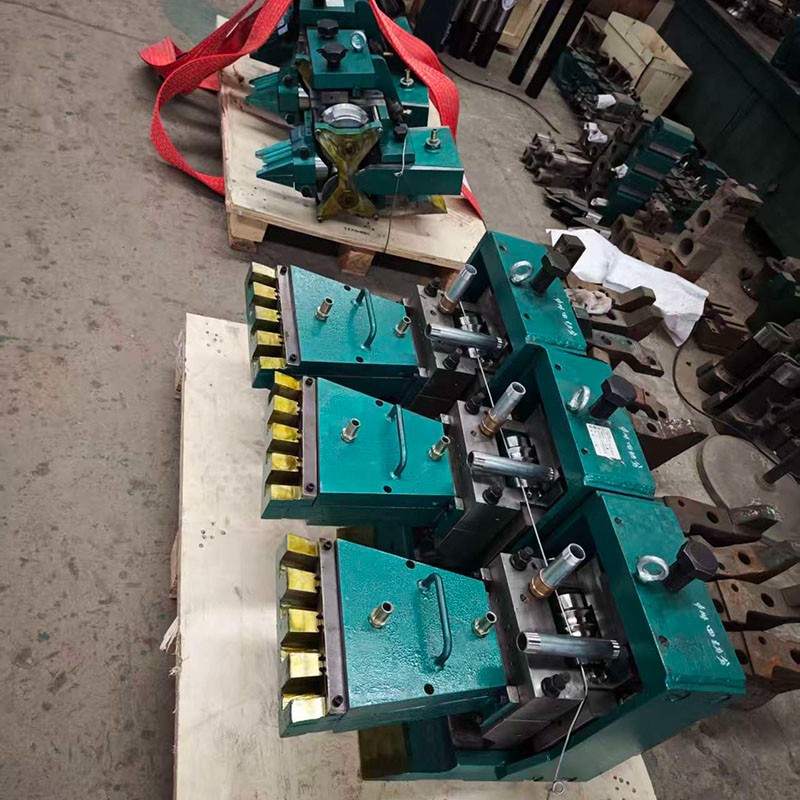
Roller guide assembly
- CategoryGuide system
- DescriptionA roller guide assembly is a precision linear motion component that utilizes cylindrical or needle rollers as the rolling elements between a guide rail and a carriage block. Unlike plain slide bearing
Product description
Roller Guide Assembly: Precision Linear Motion with Rolling Efficiency
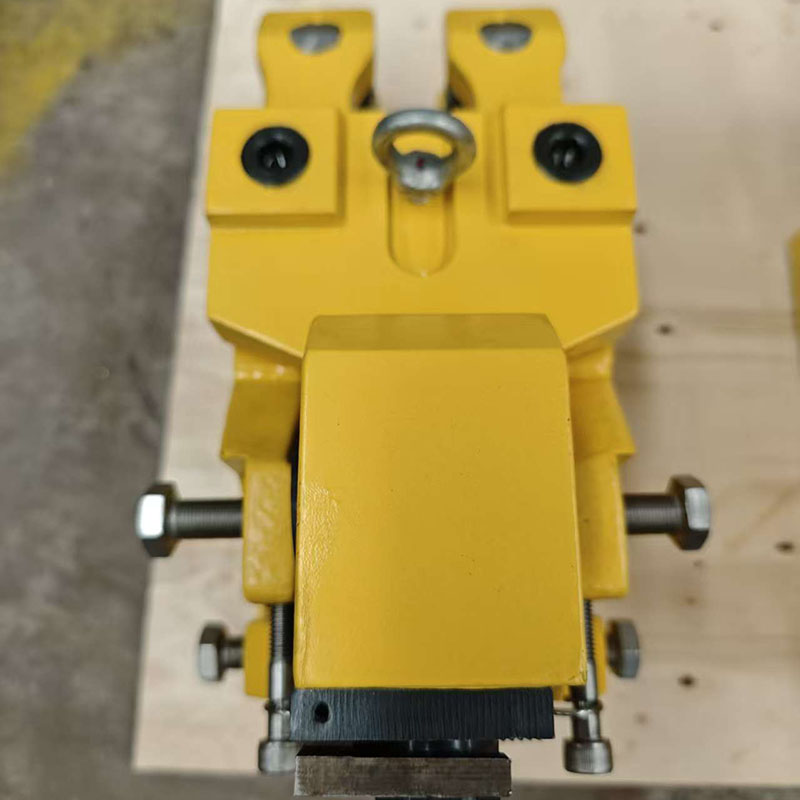
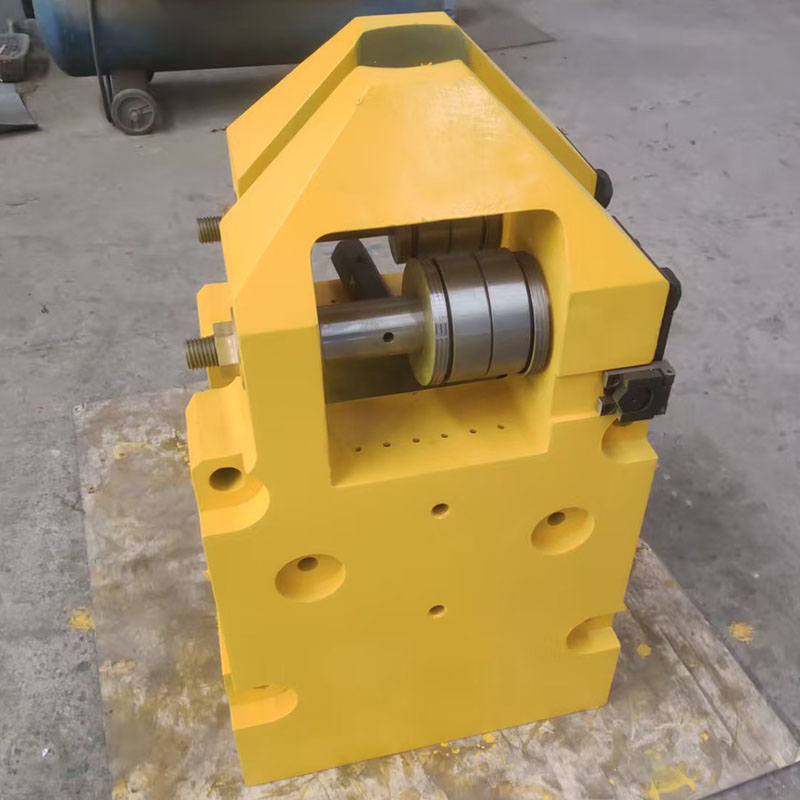
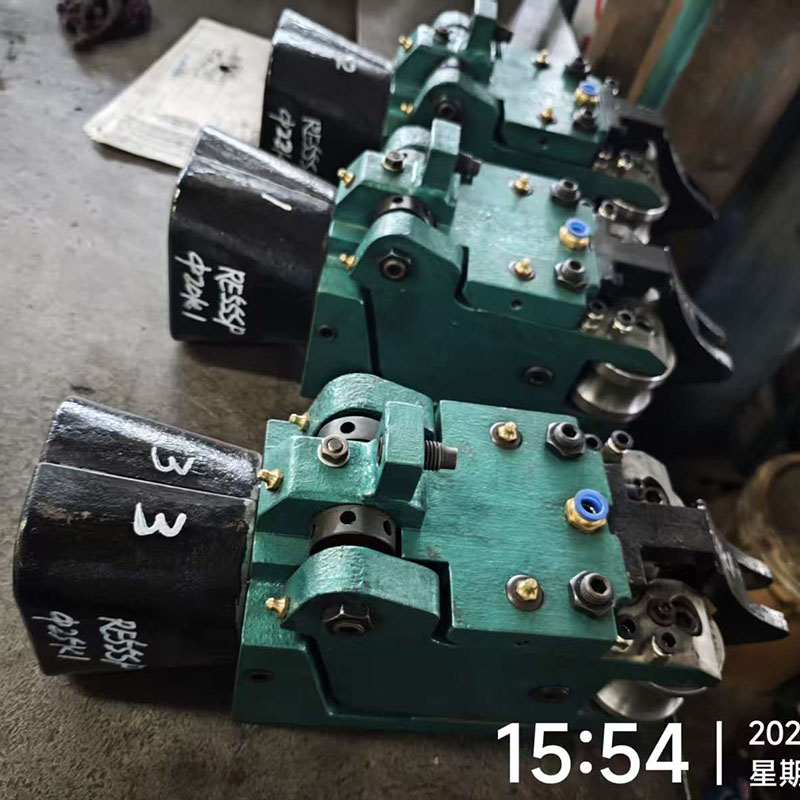
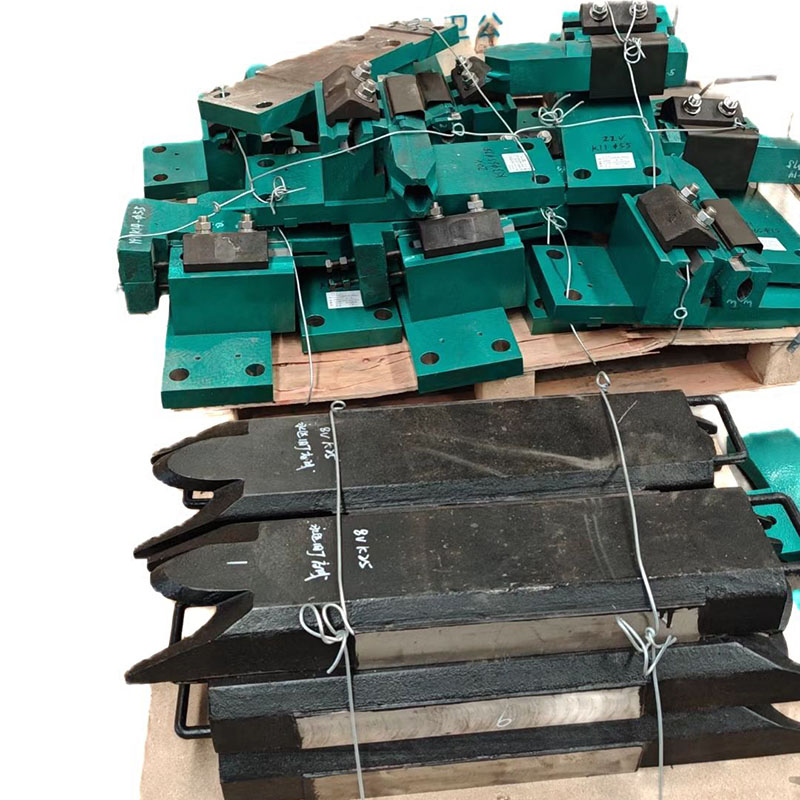
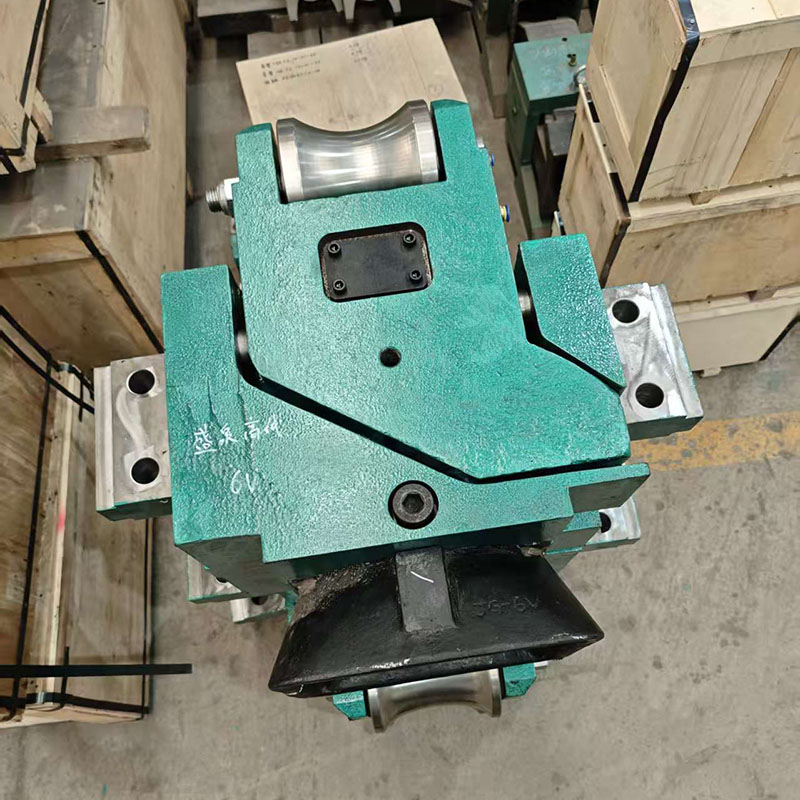
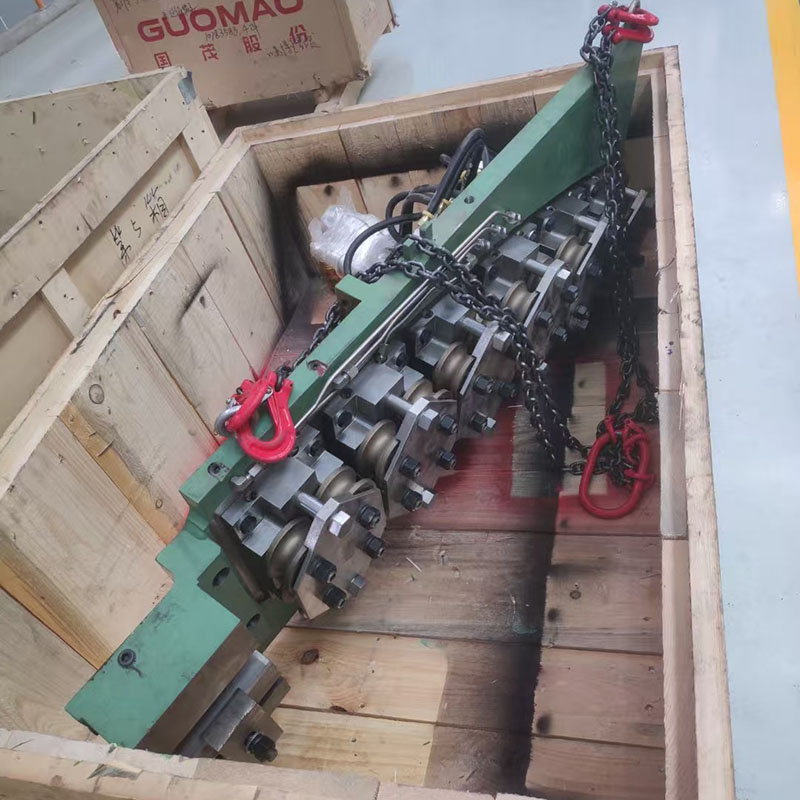
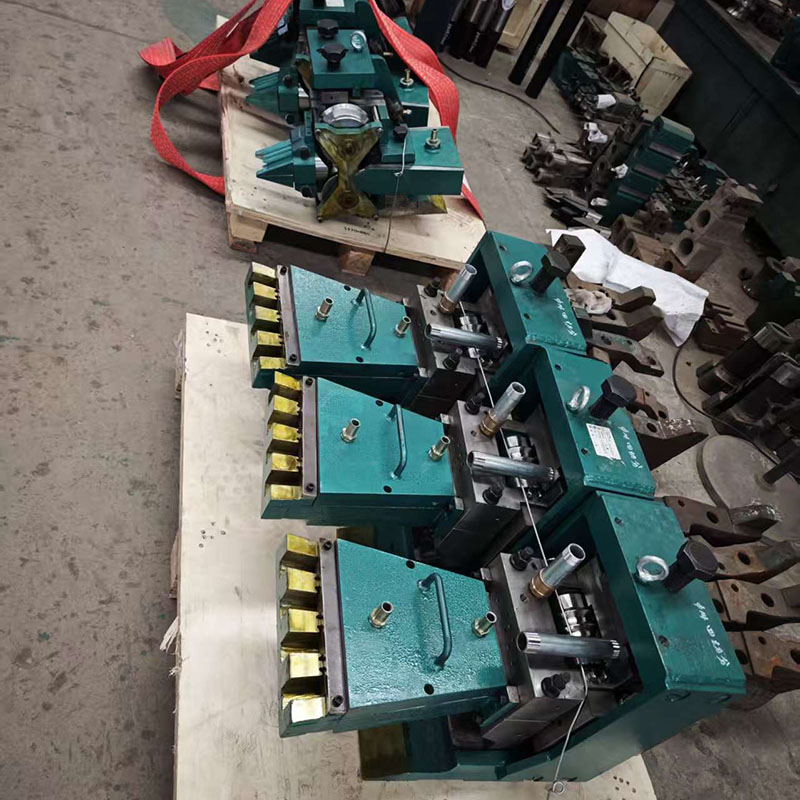
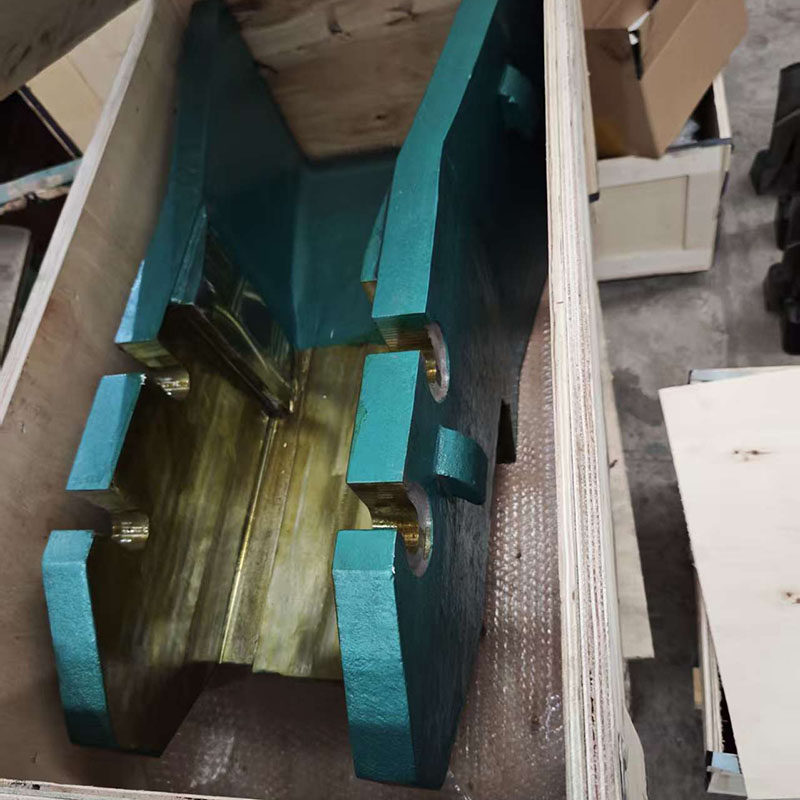
A roller guide assembly is a precision linear motion component that utilizes cylindrical or needle rollers as the rolling elements between a guide rail and a carriage block. Unlike plain slide bearings or guide plates that rely on sliding friction, the roller guide assembly operates on the principle of rolling friction, dramatically reducing resistance while achieving exceptional load capacity, rigidity, and positioning accuracy.
The fundamental design consists of three primary elements: a precision-ground guide rail with hardened raceways, a carriage block containing recirculating rollers, and a cage or retainer that maintains proper roller spacing. As the carriage traverses along the rail, the rollers roll continuously along the raceways, then recirculate through internal channels within the carriage block, enabling unlimited stroke length. The rollers are typically arranged in multiple rows—often two or four—to provide equal load-carrying capacity in all radial directions and moderate moment loads.
One of the defining features of roller guide assemblies is their superior rigidity compared to ball-based linear guides. Because rollers have line contact with the raceways rather than point contact, they distribute loads over a much larger contact area. This translates into higher stiffness, better damping characteristics, and the ability to withstand heavier loads—making them ideal for applications where precision and stability are paramount.
These assemblies find widespread use in demanding applications: CNC machine tools, machining centers, precision grinders, injection molding machines, and heavy-duty automation equipment. They are also employed in semiconductor manufacturing, medical imaging systems, and high-speed packaging machinery where smooth, accurate motion is critical.
Key advantages include high load capacity, exceptional rigidity, low friction, long service life, and minimal maintenance requirements. Design variations include roller-guided linear actuators, crossed-roller slide assemblies, and telescopic rail systems for varying stroke and space constraints. Limitations include higher cost compared to plain bearings, sensitivity to contamination, and the need for proper preload adjustment.
In essence, the roller guide assembly represents the pinnacle of linear guidance technology—combining the load-handling strength of rolling elements with the precision of hardened raceways to deliver motion control that is both powerful and precise.
PREVIOUS:Twist guide assembly
NEXT:Guide plate